
Soon stocks will run out
Dont miss this opportunity while supplies last.


Soon stocks will run out
Dont miss this opportunity while supplies last.
A Guide to 10 Popular Nigerian Dishes to Cook in 2026

Nigerian cuisine is a vibrant tapestry of bold flavours, rich textures, and deep-rooted traditions. This guide explores the most popular Nigerian dishes that have captivated hearts and taste buds both at home and across the UK. Whether you're a seasoned cook in a UK-based African diaspora household looking to perfect your technique, or a curious foodie eager to try something new, this list offers a detailed look into the heart of Nigerian cooking. We will break down each dish, from the iconic party-starter Jollof Rice to the hearty and comforting Egusi Soup, providing you with everything needed to recreate these meals in your own kitchen.
You will find practical, actionable insights for ten essential dishes, including signature ingredients, quick cooking tips, and the occasions when each is traditionally served. For those sourcing ingredients in the UK, from home cooks to professional caterers and event planners, we'll provide direct guidance. This includes specifics on where to find authentic, high-quality products from UK-based online stores like My Africa Shop, complete with information on bulk options and shipping. Get ready to explore a world of incredible food and bring a genuine taste of Nigeria to your table.
1. Jollof Rice
No list of popular Nigerian dishes could begin without the undisputed king: Jollof Rice. This iconic one-pot meal is a cultural cornerstone, celebrated for its vibrant red-orange colour and deeply savoury flavour. At its core, Jollof is long-grain rice simmered in a rich, blended sauce of tomatoes, red bell peppers (tatashe), and scotch bonnet chillies, all seasoned with a unique mix of spices. The result is a fluffy, flavour-infused grain dish often served with chicken, beef, or fish.
What truly sets Nigerian Jollof apart is the signature smoky taste, achieved by allowing the rice at the bottom of the pot to caramelise slightly, creating a coveted "party Jollof" finish. This dish is central to nearly every celebration, from weddings and birthdays to festive holidays like Christmas and Eid. It’s the meal that brings families together and sparks friendly rivalries across West Africa.
Quick Tips for Perfect Jollof
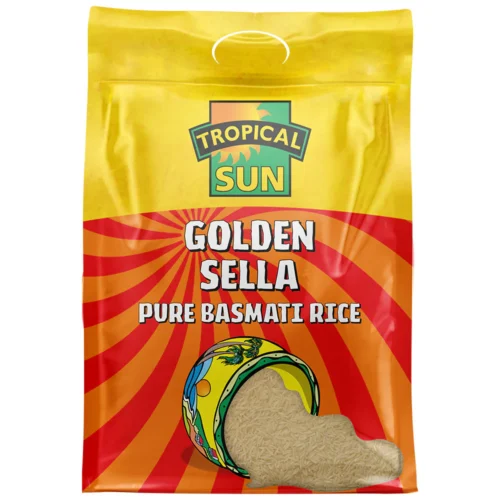
- Rice Choice: Always opt for parboiled long-grain rice. It holds its structure well and absorbs the sauce without becoming mushy.
- The Base is Key: A flavourful sauce is non-negotiable. Blend fresh, high-quality tomatoes and peppers for a superior taste. Don't skimp on onions.
- Smoky Finish: To get that authentic party flavour, reduce the heat towards the end of cooking and let the bottom layer of rice crisp up without burning.
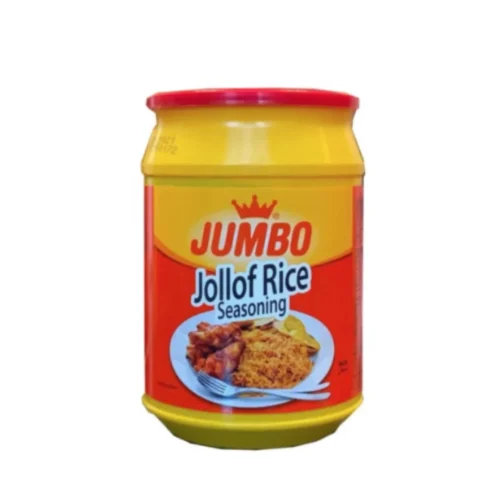
- Seasoning: A well-balanced seasoning blend is critical. Using a pre-mixed option can save time and guarantee authentic flavour. For a consistent and delicious result every time, explore the convenience of a specially crafted Jollof rice seasoning.
2. Egusi Soup
A true giant among popular Nigerian dishes, Egusi Soup is celebrated for its rich, nutty flavour and hearty, textured consistency. This beloved soup is made from ground melon seeds (egusi), which thicken the broth to create a uniquely satisfying meal. Typically prepared with a variety of meats, smoked fish, and leafy greens like spinach or bitterleaf, it’s a versatile dish that reflects the diverse culinary traditions of regions like the Yoruba and Igbo lands.

Often served with a “swallow” food like pounded yam, eba, or fufu, Egusi Soup is a staple at celebrations, family gatherings, and traditional ceremonies. Its creamy texture and savoury depth, enhanced by palm oil and ground crayfish, make it an unforgettable culinary experience. Its widespread appeal has been further boosted by prominent chefs and Nigerian restaurants worldwide, securing its place as a national treasure.
Quick Tips for Perfect Egusi
- Prep Your Seeds: Using pre-ground egusi seeds is a fantastic time-saver. Mix the ground seeds with a little water to form a thick paste before adding to the pot to prevent lumps.
- A Flavourful Base: Create a rich stock with your choice of meat and fish. Soaking tough stockfish in hot water for at least 30 minutes before cooking is essential to soften it.
- Leafy Greens: Add your spinach, ugwu, or bitterleaf towards the very end of the cooking process. This helps them retain their vibrant colour and vital nutrients.
- Get the Best Ingredients: The quality of your ingredients, especially the ground crayfish, makes all the difference. To explore the core component of this dish, you can learn more about what egusi is and how to use it.
3. Nigerian Pepper Stew (Obe Ata)
Nigerian Pepper Stew, or Obe Ata, is the foundational sauce that forms the backbone of countless popular Nigerian dishes. It is a slow-cooked, deeply flavourful blend of tomatoes, red bell peppers (tatashe), onions, and fiery scotch bonnet chillies. Its versatility is its greatest strength; it can be eaten on its own with boiled rice or yam, or used as the essential base for creating other complex stews and soups, making it a true staple in any Nigerian kitchen.
The magic of Obe Ata lies in its slow-simmering process, which melds the individual ingredients into a rich, complex, and harmonious sauce. The vibrant red colour and aromatic scent are unmistakable signs of a well-made stew. Whether served as the main attraction or as a starting point for another meal, Obe Ata embodies the heart of Nigerian home cooking and is a fundamental recipe for anyone exploring the cuisine.
Quick Tips for Perfect Obe Ata
- Smooth Base: For a silky consistency, blend your peppers, tomatoes, and onions thoroughly. Some cooks even boil the blend first to reduce water content before frying.
- Smoky Depth: To add a subtle smoky flavour, try charring your peppers and tomatoes on an open flame or under a grill before blending.
- Oil Control: Traditionally made with palm oil, adding it gradually while stirring helps develop a deeper flavour and colour.
- Safety First: Always wear gloves when handling scotch bonnet peppers to avoid skin irritation.
- Batch & Freeze: Obe Ata is perfect for batch cooking. Freeze it in portion-sized containers or ice cube trays for quick and easy meal prep. A solid base is crucial, and using quality ingredients like authentic palm oil ensures you get that classic taste every time.
4. Moi Moi (Steamed Bean Pudding)
Moi Moi is a savoury, protein-rich pudding that holds a special place in Nigerian cuisine. This versatile dish is made from a smooth paste of blended, peeled black-eyed peas, enriched with ingredients like palm oil, onions, and bell peppers. Often cooked with additions such as boiled eggs, corned beef, or flaked fish, it’s steamed to a light, almost custard-like texture. Its delicate flavour makes it a perfect accompaniment to other popular Nigerian dishes or a satisfying meal on its own.
Celebrated for its nutritional value and customisable nature, Moi Moi is a staple at gatherings, served for breakfast with pap (akamu) or alongside rice dishes like Jollof or Fried Rice at parties. Its unique, pyramid-like shape, traditionally achieved by steaming it in uma leaves (Thaumatococcus daniellii), adds to its classic appeal, though modern cooks often use ramekins or foil pouches.
Quick Tips for Perfect Moi Moi
- Bean Prep: For the fluffiest texture, soak dried black-eyed peas until the skins are easy to remove. The smoother your blended paste, the lighter the final pudding will be.
- Aerate the Batter: Incorporating eggs one at a time while blending introduces air, resulting in a less dense Moi Moi.
- Steaming: Ensure your moulds are well-oiled to prevent sticking. Steam for 30-40 minutes; you can test for doneness by inserting a knife, which should come out clean.
- Easy Ingredients: Preparing the beans from scratch can be time-consuming. Using a quality bean flour is an excellent way to achieve the same authentic taste with far less effort, making it easier to enjoy this delicious dish any day of the week.
5. Suya (Spiced Grilled Meat)
Suya is Nigeria's quintessential street food, a fiery and smoky grilled meat skewer that captivates the senses. Traditionally prepared by Hausa meat specialists known as "Mai Suya," this dish involves thinly sliced beef, ram, or chicken, which is generously coated in a complex peanut-spice blend called Yaji before being grilled to perfection over a charcoal fire. The result is a tender, spicy, and nutty delight that is both a quick snack and a satisfying meal.

Served hot off the grill and often wrapped in old newspaper, Suya is typically accompanied by fresh, crunchy slices of red onion, tomatoes, and a dusting of extra spice. It's a beloved feature of evening social gatherings, roadside stalls, and celebrations, offering a taste of Northern Nigerian culinary heritage that has become a national treasure and one of the most popular Nigerian dishes.
Quick Tips for Perfect Suya
- Thin Slices are Best: For maximum tenderness and flavour absorption, slice your choice of meat thinly against the grain.
- Marinate for Flavour: Allow the meat to marinate in the spice blend for at least two hours, but preferably overnight in the fridge for a deeper, more intense taste.
- Consistent Grilling: Threading the meat onto skewers ensures it cooks evenly and is easy to handle. If you don't have an outdoor charcoal grill, a hot griddle pan on the hob works well.
- The Spice is Everything: The authentic taste of Suya comes from its unique spice mix. For a genuine, flavour-packed experience without the hassle of sourcing individual spices, use a ready-made Suya spice (Yaji) blend.
6. Pounded Yam (Fufu)
A giant in the world of Nigerian cuisine, Pounded Yam is a soft, starchy, and satisfying swallow food that holds a special place in cultural celebrations. Often referred to as Iyan in the Yoruba language, it is a dense, smooth dough made from boiled yam tubers that have been pounded until they achieve a stretchy, elastic consistency. It is rarely eaten alone; instead, it serves as the perfect, neutral-tasting companion to a wide array of flavourful Nigerian soups and stews, such as Egusi or Okra.
Pounded Yam is more than just a meal; it is a symbol of tradition, respect, and festivity. The laborious process of pounding yam with a large mortar and pestle is a classic sight at weddings, naming ceremonies, and other significant events. This dish is one of the most beloved popular Nigerian dishes, representing a direct link to ancestral culinary practices and bringing a sense of occasion to any dining table.
Quick Tips for Perfect Pounded Yam
- Yam Selection: The quality of your Pounded Yam starts with the right tuber. Choose firm, unblemished Puna yams, as they have the ideal starch content and flavour. For tips on choosing the best tubers, you can learn more about how to cook yams.
- Achieve Smoothness: Boil the yam until it is completely soft and fork-tender. When pounding (or using a food processor), add a small amount of the warm yam water to help achieve a smooth, lump-free texture.
- Modern Method: A powerful food processor can replicate the traditional method. Pulse the boiled yam in short bursts to avoid overworking the starch, which can make it gummy.
- Serve Immediately: Pounded Yam is best served hot and fresh. It tends to harden as it cools, so timing is crucial for the best experience.
7. Okra Soup (Okro Soup)
Next on our list of popular Nigerian dishes is the much-loved Okra Soup, also known as Okro Soup. This vegetable-forward dish is celebrated for its distinctive drawy or glutinous texture and rapid cooking time. It is typically prepared with finely chopped fresh okra simmered in a flavourful base of palm oil, peppers, and onions, often enriched with an assortment of meat, smoked fish, and seafood like prawns. The result is a light yet hearty soup that is both nutritious and deeply satisfying.
Okra Soup is a staple in many Nigerian households, appreciated for its simplicity and versatility. It can be adapted with various proteins and leafy greens like ugu (pumpkin leaves) or spinach to create different versions. Served piping hot alongside a solid "swallow" food like Eba (garri), Pounded Yam, or Semolina, it's a comforting meal perfect for any day of the week, moving effortlessly from a quick family dinner to a festive gathering.
Quick Tips for Perfect Okra Soup
- Choose Wisely: Opt for young, tender okra pods. They provide a better texture and are generally less slimy than older, tougher ones.
- The Base is Key: Always prepare your pepper and protein base first. Cook your meat or fish until tender in a well-seasoned stew base before introducing the okra.
- Timing is Everything: To preserve its texture and vibrant green colour, add the chopped okra in the last 15-20 minutes of cooking. Overcooking can make it dull and overly soft.
- Control the Slime: If you prefer a less drawy soup, leave the pot uncovered after adding the okra. This allows excess moisture to evaporate and helps thicken the soup slightly.
8. Chin Chin (Nigerian Snack)
While many popular Nigerian dishes are savoury meals, no celebration is complete without the incredibly moreish, crunchy snack known as Chin Chin. These bite-sized, deep-fried dough bites are a beloved treat across the country. Essentially a simple dough of flour, sugar, butter, and milk, often flavoured with a hint of nutmeg, it is rolled thin, cut into small shapes, and fried to golden-brown perfection. The result is a delightfully crunchy snack that is impossible to eat just one of.
Chin Chin is a staple at parties, a perfect teatime accompaniment, and a common gift exchanged between families, especially during festive periods like Christmas and Eid. Its long shelf life when stored in an airtight container makes it a practical and cherished snack, prepared in large batches by home cooks and commercial producers alike. Its addictive texture and subtle sweetness secure its place as a cornerstone of Nigerian snack culture.
Quick Tips for Perfect Chin Chin
- Uniformity is Key: Cut the dough into small, uniform pieces to ensure they all cook evenly and achieve the same level of crunchiness.
- Fry in Batches: To maintain a consistent oil temperature (around 175-190°C), fry the Chin Chin in small batches. This prevents them from becoming oily or undercooked.
- Add Flavour: A pinch of ground nutmeg or cinnamon adds a warm, aromatic complexity to the dough that beautifully complements its simple sweetness.
- Storage Savvy: For maximum freshness and crunch, allow the fried Chin Chin to cool completely and drain on paper towels before storing them in a sealed, airtight container.
9. Nigerian Beef Stew (Tomato-Based)
A true cornerstone of home cooking, Nigerian Beef Stew is a rich, comforting, and incredibly versatile dish. This slow-cooked stew is defined by its deep red, flavourful sauce made from a base of blended tomatoes, red bell peppers, and onions, all simmered with tender chunks of beef. The long cooking time allows the beef to become fork-tender while the sauce reduces and intensifies, creating a meal that is both hearty and delicious.
This stew is a staple in Nigerian households and a popular offering in restaurants, often served alongside a variety of starches. It is the go-to sauce for plain boiled rice, boiled yams, bread, or even plantain. Its rich, savoury character makes it a perfect accompaniment that completes countless everyday meals, demonstrating why it's one of the most beloved and popular Nigerian dishes.
Quick Tips for Perfect Beef Stew
- Develop Flavour: Always brown the beef in a little oil before adding it to the sauce. This searing process creates a deep, meaty flavour that forms the foundation of the stew.
- Silky Smooth Sauce: For a smooth, restaurant-quality consistency, blend your tomatoes, peppers, and onions into a fine purée before cooking.
- Low and Slow: Patience is key. Simmer the stew on low heat for at least 60-90 minutes. This ensures the beef is exceptionally tender and the sauce's flavours are fully developed.
- Control Consistency: Add beef stock gradually as the stew simmers. This allows you to control the thickness of the sauce, preventing it from becoming too watery.
10. Akara (Black-Eyed Pea Fritters)
A beloved breakfast staple and street food snack, Akara are savoury, deep-fried fritters that hold a special place in Nigerian food culture. Made from a batter of ground, peeled black-eyed peas blended with onions, peppers, and seasoning, these fritters are wonderfully light and fluffy on the inside with an irresistibly crispy golden-brown exterior. They are often enjoyed in the morning alongside pap (a fermented corn pudding) or stuffed inside Agege bread.
Popularised by street vendors whose sizzling pans are a familiar morning sight across Nigeria, Akara is a dish that brings comfort and flavour to the start of the day. The process of soaking, peeling, and grinding the beans makes it a true labour of love, but the delicious result is well worth the effort. It's a classic example of how simple ingredients can create one of the most popular Nigerian dishes.

Quick Tips for Perfect Akara
- Bean Prep: Soaking dried peas overnight is crucial for softening them, which makes peeling and grinding much easier. For a quicker alternative, using peeled beans saves significant preparation time.
- The Right Consistency: Grind the beans with minimal water. A thick, slightly coarse batter is key to achieving a light and airy texture.
- Fry Correctly: Heat your oil to about 175°C (350°F). If it’s not hot enough, the Akara will absorb too much oil; if it's too hot, they will burn before cooking through.
- Avoid Over-mixing: Gently fold in your chopped onions and peppers. Over-mixing the batter can make the final fritters dense and tough.
- Shape and Drain: Use two spoons or an ice cream scoop to drop uniform balls of batter into the hot oil. Once fried, let them drain on a wire rack or paper towels to remove excess oil.
Top 10 Nigerian Dishes Comparison
| Dish | Implementation complexity 🔄 | Resource requirements ⚡ | Expected outcomes 📊⭐ | Ideal use cases 💡 | Key advantages ⭐ |
|---|---|---|---|---|---|
| Jollof Rice | Moderate — multi-step one-pot technique | Common pantry staples; large pot for batches; quality tomatoes/palm oil | Crowd-pleasing, rich tomato flavor with potential smoky crust | Parties, catering, diaspora gatherings | Scalable, affordable, versatile with proteins |
| Egusi Soup | Higher — grinding seeds and layered assembly | Egusi (may be hard to source), palm oil, varied proteins | Creamy, nutty, protein-dense stew | Festive meals, celebratory dinners, premium menus | Nutrient-dense, impressive presentation, flexible protein options |
| Nigerian Pepper Stew (Obe Ata) | Low — blending and simmering; timing matters | Fresh peppers/tomatoes, blender; freezer-friendly | Deeply flavored base that elevates dishes | Meal prep, bases for stews, bulk cooking | Versatile, economical, stores/frees easily |
| Moi Moi (Steamed Bean Pudding) | Moderate — blending, molding, steaming | Black-eyed peas, steamer/molds, optional proteins | Light, custard-like protein dish, portable | Breakfast, events, vegetarian menus | High-protein, batchable, adaptable add-ins |
| Suya (Spiced Grilled Meat) | Low — marinate and quick grilling; heat source needed | Meat, suya spice, grill/charcoal or alternatives | Smoky, high-flavor grilled meat best served fresh | Street-food style events, appetizers, social gatherings | Bold flavor, quick cook, shareable/snackable |
| Pounded Yam (Fufu) | Higher — labor-intensive pounding or powerful processor | Fresh yams (may be seasonal), mortar/processor | Smooth, starchy accompaniment best fresh | Ceremonial meals, traditional accompaniments | Authentic staple, pairs with many soups, cultural prestige |
| Okra Soup (Okro) | Low — one-pot, short cook time | Fresh okra (seasonal), basic pantry items | Vegetable-forward, slightly glutinous soup quickly made | Weeknight dinners, budget-friendly meals | Fast to prepare, nutritious, affordable |
| Chin Chin (Snack) | Low — dough prep and frying; sizing control | Common baking ingredients, deep-frying setup | Crunchy, shelf-stable snack suitable for retail/gifts | Party snacks, gifting, retail/online sales | Long shelf life, profitable, batch-producible |
| Nigerian Beef Stew | Moderate — low-and-slow simmering | Affordable beef cuts, tomatoes, large pot | Rich, tender stew that improves over time | Family meals, meal prep, catering | Comforting, freezer-friendly, versatile pairings |
| Akara (Bean Fritters) | Moderate — soaking, grinding, frying precision | Black-eyed peas, minimal equipment, frying oil | Light, airy fritters best consumed fresh | Breakfast, snacks, street-vendor sales | Protein-rich, portable, quick to prepare |
Bring Authentic Nigerian Flavours to Your UK Kitchen
Our journey through ten of the most popular Nigerian dishes has painted a vibrant picture of a cuisine built on bold flavours, rich textures, and a deep sense of community. From the celebratory warmth of Jollof Rice to the comforting embrace of Pounded Yam with Egusi Soup, each meal offers a unique taste of Nigeria’s diverse culinary heritage. We've explored the smoky allure of street-side Suya, the satisfying crunch of Chin Chin, and the wholesome goodness of Moi Moi and Akara. This is more than just food; it's a collection of experiences, memories, and traditions passed down through generations.
The common thread connecting these incredible dishes is the authenticity of the ingredients. The secret to a truly exceptional Nigerian meal lies not just in the recipe, but in the quality of the raw materials. Attempting to make Obe Ata without the right blend of peppers or creating Banga Soup without genuine palm fruit concentrate can lead to a dish that misses the mark. For anyone in the UK, the perceived difficulty of finding these specific items is no longer a barrier.
Your Next Steps to Culinary Mastery
Mastering these popular Nigerian dishes is an achievable and deeply rewarding goal. The key is to approach it with confidence and the right tools. Here’s a simple, actionable plan to get you started:
Stock Your Pantry Strategically: Don’t feel you need to buy everything at once. Begin by choosing one or two recipes that excite you most. If it's Egusi Soup, focus on getting high-quality ground egusi, red palm oil, and dried fish. For Jollof, secure the correct long-grain parboiled rice and a quality tomato-pepper base. Building your pantry one recipe at a time makes the process manageable and less overwhelming.
Embrace Batch Cooking: Many Nigerian staples, like Obe Ata or a basic beef stew, are perfect for making in large batches. Cook a large pot over the weekend and freeze portions in separate containers. This saves immense time during busy weekdays and ensures you always have a flavourful, authentic base ready for a quick meal.
Don't Fear the Fufu: For many newcomers, making pounded yam or other swallows can seem daunting. Start with the more convenient yam flour (Elubo) before trying to pound fresh yams. Following the package instructions carefully will yield a smooth, consistent result, giving you the confidence to pair it with your expertly prepared soups.
The value of bringing these dishes into your home extends far beyond simply trying new recipes. It’s an opportunity to connect with a rich culture, share new experiences with friends and family, and create your own traditions. Serving a home-cooked pot of authentic Nigerian Pepper Soup at a gathering or introducing loved ones to the delights of Akara creates moments of connection and shared joy. It turns a simple dinner into a memorable event.
Ready to fill your kitchen with the authentic aromas and flavours of Nigeria? My Africa Shop is your dedicated partner, providing all the essential ingredients you need to create these popular Nigerian dishes right here in the UK. Explore our extensive online store for everything from premium yam flour and ground egusi to fragrant spices and red palm oil, all delivered directly to your doorstep.