
Soon stocks will run out
Dont miss this opportunity while supplies last.


Soon stocks will run out
Dont miss this opportunity while supplies last.
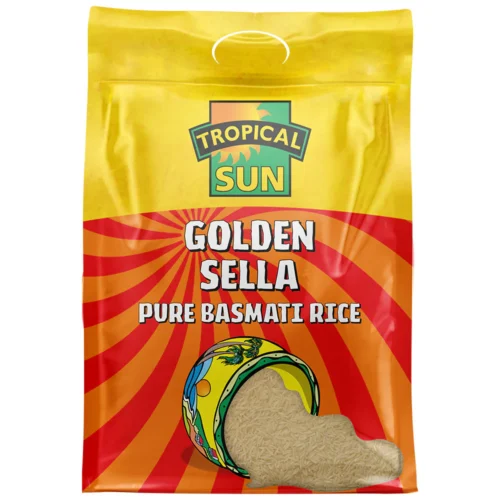
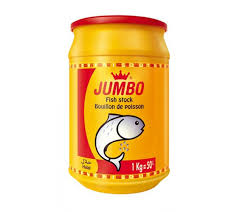
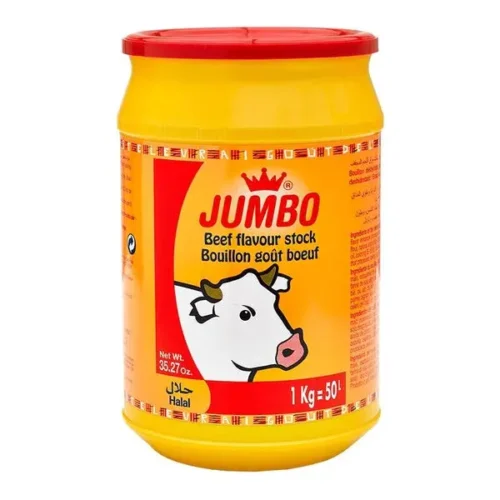
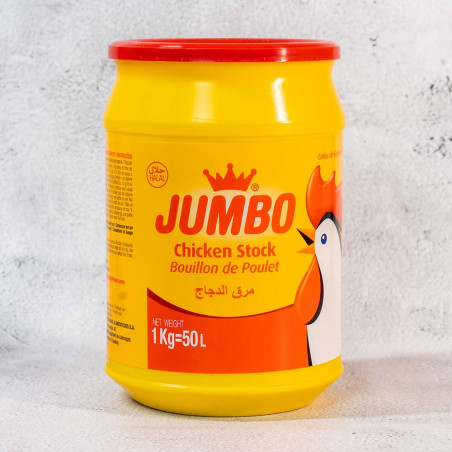
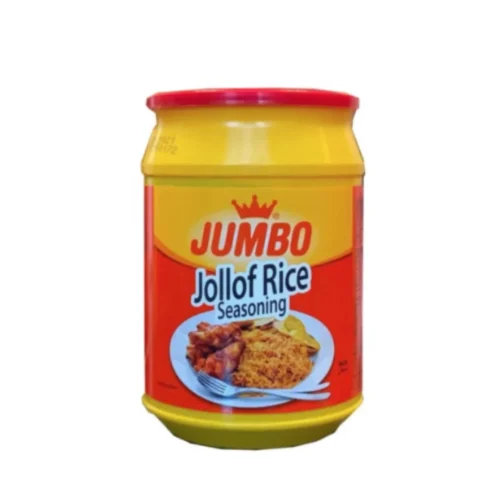
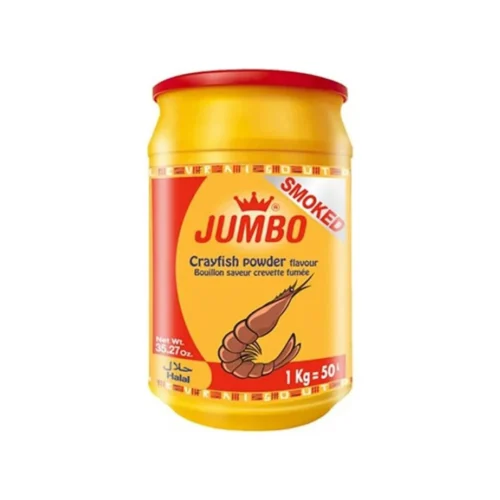
Wholesale African Food Suppliers UK: wholesale african food suppliers uk

Finding a trustworthy source for wholesale African food suppliers in the UK can feel like a real challenge, whether you're stocking up the family pantry, running a restaurant, or getting ready for a big event. This guide is designed to be your roadmap, helping you source the best ingredients with confidence. Think of it as having an expert by your side, ready to help you find everything from bulk garri to fresh plantain without the usual hassle.
The Growing Appetite for African Flavours in the UK
The craving for authentic African food across the UK isn't just a fleeting trend—it's a powerful cultural and economic movement. This surge is driven by two main groups: diaspora communities longing for the comforting tastes of home, and a growing number of curious British food lovers keen to explore bold, exciting new flavours. From the vibrant markets of London to family kitchens in Manchester, the essential ingredients of Africa are fast becoming household staples.
And it's not just a feeling; the numbers prove it. The UK's ethnic food market has seen incredible growth, pulling in USD 3,384.5 million in revenue in 2024 alone. Experts predict this figure will climb to nearly USD 5,700 million by 2030, all thanks to the strong demand for authentic groceries. You can dive deeper into the data on this expanding market from Grand View Research. This boom shows just how deep the connection to culinary heritage runs.
Who Is Buying African Food in Bulk?
The need to buy wholesale isn't just for businesses. A wide range of customers have their own unique reasons for buying in bulk, but they all want the same thing: high-quality, authentic products that are both affordable and reliably available. Knowing which type of buyer you are is the first step to finding the perfect supplier.
To make it easier, here’s a quick look at the main buyer profiles and what they typically look for. This table will help you pinpoint your needs and what to prioritise in a supplier.
Key Buyer Types and Their Wholesale Needs
| Buyer Profile | Primary Need | Commonly Purchased Items | Key Supplier Feature |
|---|---|---|---|
| Households & Families | Economy & convenience | Rice, beans, yams, garri | Bulk discounts, reliable delivery |
| Restaurants & Caterers | Consistency & volume | Red palm oil, plantain, spices | High-volume supply, consistent quality |
| Event Planners | Specific items in large quantities | Malt drinks, Indomie, Jollof ingredients | Wide product range, one-off bulk orders |
| Retailers & Market Stalls | Stocking shelves with popular goods | Branded products, fresh produce | Competitive wholesale pricing |
Understanding where you fit in helps you focus your search and ask the right questions.
Households and Families: Many African and Caribbean households buy essentials like rice, beans, and yams in large quantities. It’s simply more economical and ensures the pantry is always ready for those classic family dishes. Our guide on buying honey beans in bulk in the UK, for example, is a fantastic resource for families looking to make their money go further.
Restaurants and Caterers: These businesses are the heart of the UK's African food scene. They need a steady, high-volume supply of everything from red palm oil for stews to fresh plantain for sides. For them, a dependable supplier isn't just a vendor—it's a vital business partner.
Event Planners: Are you organising a wedding, birthday party, or community festival? You'll need massive quantities of specific items, like malt drinks, Indomie noodles for party packs, and all the ingredients for a giant pot of Jollof rice.
Retailers and Market Stalls: Local grocery shops and market traders depend on wholesale suppliers to fill their shelves with the popular brands and fresh produce their communities know and love.
A reliable wholesale supplier is the bridge connecting the rich farmlands of Africa to the diverse kitchens of the UK. They navigate the complex logistics so you can focus on what you do best—creating incredible meals and sharing your culture.
This guide will walk you through every part of the sourcing process. We'll introduce you to key players like My Africa Shop, who make bulk buying simple with nationwide delivery, ensuring you get the authentic tastes of Africa delivered right to your doorstep.
How African Ingredients Reach Your Kitchen
Ever found yourself wondering how that perfect bag of egusi or a drum of rich red palm oil makes its way from a farm in West Africa all the way to your UK kitchen? It’s not magic, but a complex journey that helps explain why finding a reliable wholesale African food supplier in the UK is so important.
Understanding this journey also sheds light on why you see variations in price and stock levels.
Think of it like a massive river. It all starts at the source with hardworking farmers and producers across the African continent. Their goods flow downstream to the major importers, the ones bringing huge shipping containers into the UK. These are the giants, dealing in colossal volumes.
The Key Players in the Supply Chain
From these big importers, the river branches out into powerful tributaries. These are the large distributors and cash-and-carry stores that supply regional wholesalers and even the big supermarkets. They’re crucial for getting products across the country, but they usually demand massive minimum orders, putting them out of reach for smaller businesses or families just looking to stock up.
This is where specialised online wholesalers like us come in. We act like a direct stream, branching off from the main flow to bring those authentic goods right to your doorstep. By buying in bulk from the bigger players, we can pass the savings on to you without you having to buy a whole pallet. It's the perfect setup for households, caterers, and small shop owners.
This diagram shows how different buyers—from households and restaurants to retailers—all fit into the UK's African food market.
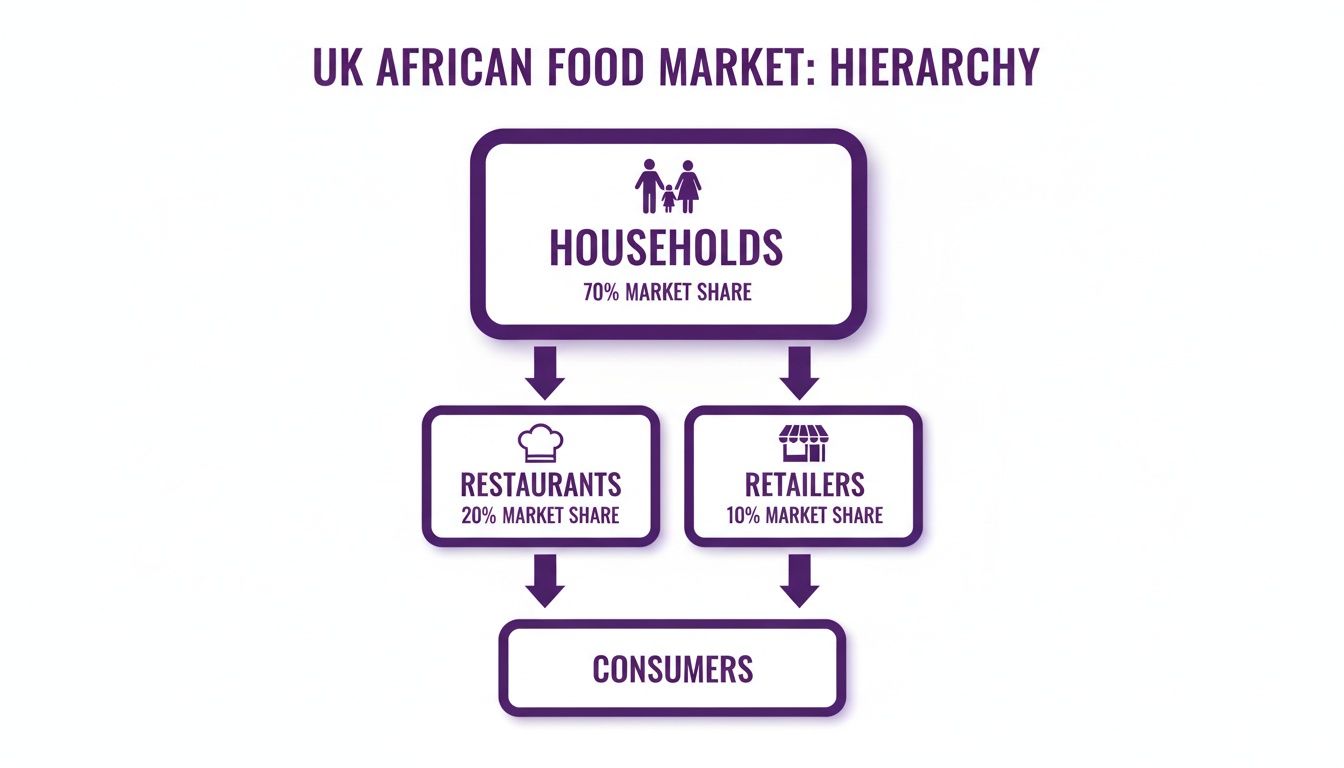
It’s clear that a whole range of customers depend on this network to get the products they love.
We Handle the Logistics So You Don’t Have To
A good supplier does a lot more than just sell you food; they manage a mountain of logistics behind the scenes. This journey involves several critical steps to make sure your food arrives safely, legally, and ready for your kitchen.
- International Shipping & Freight: This means coordinating transport by sea or air, a tricky process that demands real expertise to keep costs down and timings on track.
- Customs Clearance & Duties: Every single shipment has to be declared, inspected, and cleared by UK customs. A trustworthy supplier handles all the paperwork and pays the necessary import duties for you.
- Food Safety & Compliance: Products must meet the UK's very strict food safety standards. This involves everything from checking for contaminants to making sure every label is correct and compliant.
When you choose a UK-based wholesale supplier, you’re basically handing over all these headaches. They absorb the risks and complexity of importation, so you can be confident the product you get is not only authentic but also 100% legal and safe to eat.
This wholesale structure is the backbone of the UK’s ethnic food scene. In fact, the wider UK food and drink wholesale industry contributed a massive £16.9 billion in gross value added in 2023. You can dig into more numbers on the UK agri-food chain by checking the official government statistics. It just goes to show how vital a well-organised supply chain is.
So next time you open that bottle of Malta Guinness, you’ll have a new appreciation for the journey it took. You’re not just buying food; you're tapping into a sophisticated network designed to bring the incredible flavours of Africa right to you.
Choosing the Right Wholesale Supplier
Picking the right partner from the many wholesale African food suppliers in the UK is probably the biggest decision you’ll make. Think of it less like a simple transaction and more like choosing a business partner. Get it wrong, and you could be dealing with late deliveries and unhappy customers. But get it right, and you've secured a reliable source for the authentic flavours your family or customers love.
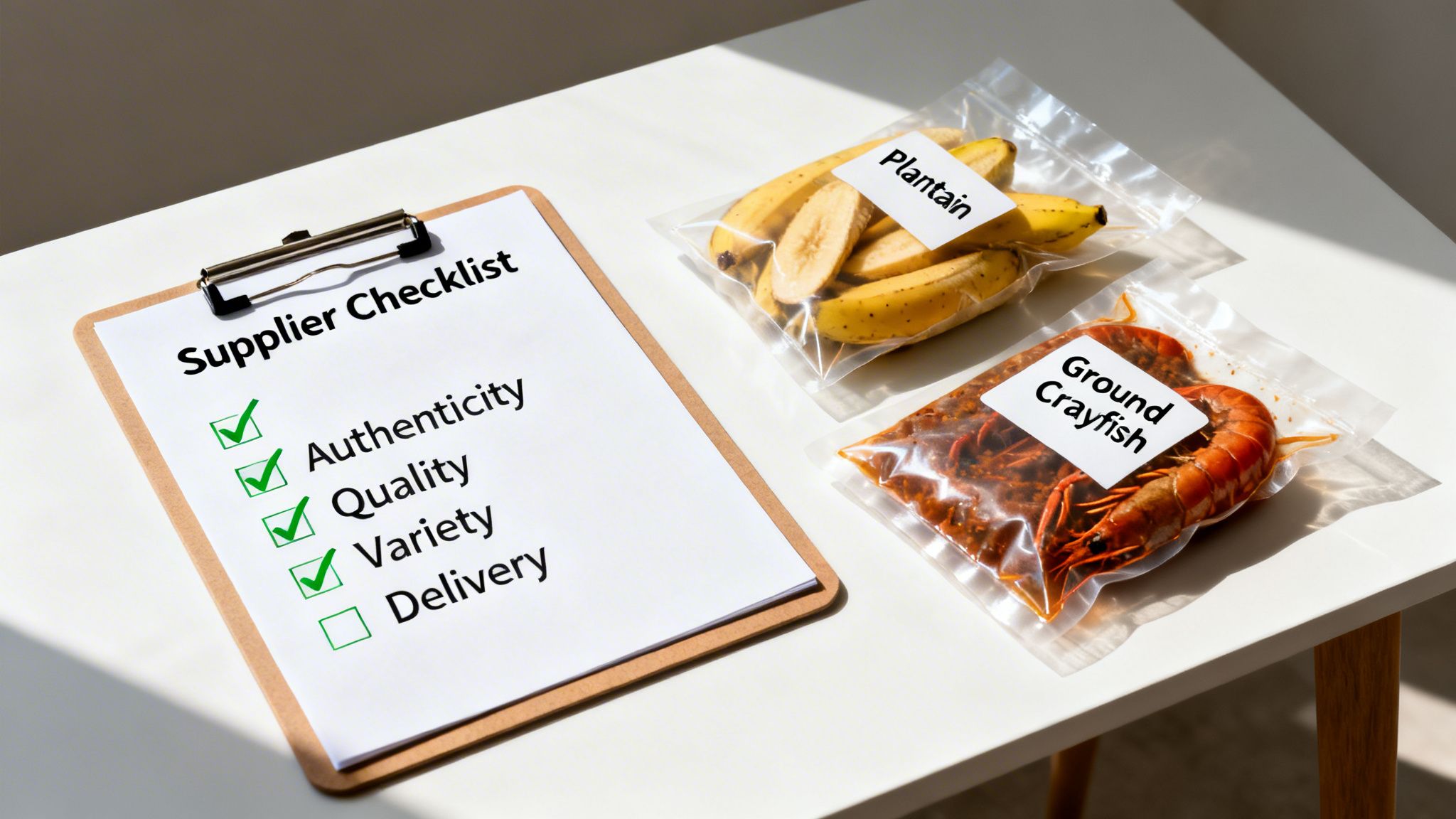
This isn't just about chasing the lowest price tag. It's about finding a supplier who promises—and delivers—on authentic taste, consistent quality, a great product range, and reliable delivery. Nailing this part means your pantry stays stocked, your diners are delighted, and your business runs smoothly.
Authenticity and Quality Control
First things first: are the products the real deal? You need to know if you're getting genuine Nigerian ground crayfish or some generic substitute. Does that red palm oil have the deep, unmistakable flavour you’re expecting? Authenticity is everything.
A good supplier won’t be shy about where their products come from. They should be able to tell you the origin and the brands they stock. Keep an eye out for trusted names like Indomie, Malta Guinness, or Jumbo, as they're often a good benchmark for quality. Just as important is food safety. Any supplier operating in the UK has to meet strict standards, and a professional outfit will have no problem discussing their compliance and safety checks with you.
Product Variety and Availability
Whether you're a family buying in bulk for the month or a caterer prepping for a wedding, your needs will vary. A supplier with a tiny stocklist means you’ll be forced to juggle multiple orders from different places, which is a waste of time and racks up delivery fees. The best suppliers offer a wide range of goods all in one place.
Look for a supplier who has you covered on all fronts:
- Pantry Staples: Essentials like rice, garri, semolina, and beans in various bulk sizes.
- Speciality Ingredients: The real flavour-makers, such as ground egusi, ogbono, red palm oil, and authentic seasonings.
- Fresh and Frozen Goods: Key items including ripe plantain, yams, and frozen fish or meat.
- Drinks and Snacks: Popular choices like malt drinks and classic biscuits that are must-haves for retail or events.
A wide selection doesn't just make your life easier; it's a strong sign of a well-connected and established supplier.
A supplier’s real commitment to quality isn't just in the food. It's in the whole experience—from the moment you place an order to the second it lands on your doorstep. Secure packaging and fast, reliable delivery are non-negotiable signs of a professional operation.
Delivery Reliability and Packaging
Picture this: you order 20kg of fresh yams, only for them to turn up bruised and battered. Or worse, your box of palm oil has leaked all over the rest of your order. A great price means nothing if the goods arrive damaged. A top-notch supplier invests in strong, sturdy packaging designed to protect everything on its journey to you.
They should also be upfront about their delivery schedule. A promise like nationwide delivery within 48-72 hours shows they have their logistics sorted and value your time. It means your products will arrive fresh, intact, and ready to use, every single time. Checking out a supplier's business-to-business section can give you a clearer picture of their wholesale terms. You can see how platforms like My Africa Shop's B2B portal are structured to meet the needs of professional buyers.
Getting the Best Value for Your Money
When you're looking for wholesale African food suppliers in the UK, it’s tempting to just hunt for the lowest price per item. But getting the best value is a much bigger picture than that. It's all about making your budget work harder without ever skimping on the quality and authentic flavours your family or customers love.
Think of it like booking a holiday. You wouldn’t just look at the hotel’s nightly rate, right? You’d add in the flights, food, and any hidden fees. In the same way, a savvy wholesale buyer learns to look past the initial price tag to figure out the total cost of getting those goods delivered.
This means you need to get used to comparing quotes like a pro, digging deeper than the surface price list.
How to Compare Quotes Like a Pro
A super-low price on a carton of Indomie noodles looks like a bargain, but not if the delivery fee is through the roof. Real value is found in the total landed cost – what you actually pay to get the product into your kitchen or stockroom.
To get a true comparison, always ask for a complete cost breakdown. Here’s what you need to look for beyond just the unit price:
- Delivery Fees: Are they a flat rate, or do they fluctuate based on your order size and postcode? A supplier that offers free delivery on larger orders, like My Africa Shop does for anything over £300, can dramatically cut your overall spend.
- VAT and Taxes: Is VAT already included in the prices you see, or will it be slapped on at the end? That unexpected 20% can be a nasty shock when you get to the checkout.
- Minimum Order Quantity (MOQ): Can you realistically meet the MOQ without being forced to overstock on perishable goods? A supplier might seem cheap, but if you have to buy more than you can sell or use, it’s a false economy.
Adding all these costs together gives you the true price per item. It’s the only way to make a fair, apples-to-apples comparison between different suppliers. If you’re sourcing a specific item, for example, it pays to know the market inside-out. You can get a better feel for this by reading our guide on where to buy the cheapest Indomie noodles at wholesale price in the UK.
Unlocking Extra Savings and Negotiating Terms
Once you’ve got the basics figured out, it’s time to see where you can trim the costs even further. Don’t be shy about negotiating, especially if you’re a caterer or retailer planning to place large, frequent orders. Good suppliers always value loyal customers.
Just like in traditional wholesale markets where deals are made with a handshake, strong relationships in the online world are built on mutual trust and benefit. A supplier wants your repeat business, and you want fair, consistent pricing.
When you're talking to a potential supplier, here are a few things you can almost always discuss:
- Bulk Discounts: Always ask if they have tiered pricing. Ordering ten cartons of Malta Guinness should definitely work out cheaper per unit than just buying one.
- Loyalty Programmes: Do they offer any rewards or special rates for customers who come back time and again? Your consistent business is valuable, and good suppliers know it.
- Seasonal Offers: Keep an eye out for weekly deals or promotions. The best way to stay in the loop is often by subscribing to a supplier’s newsletter for a heads-up on upcoming sales.
Finally, always make sure you're using a secure payment system. A professional supplier will offer trusted payment gateways that protect your financial information. This isn't just about making things easy; it’s a crucial part of building a secure and trustworthy business relationship. Combine smart negotiation with a sharp eye for hidden costs, and you’ll always get the absolute best value for your money.
Why You Should Always Test Before You Buy
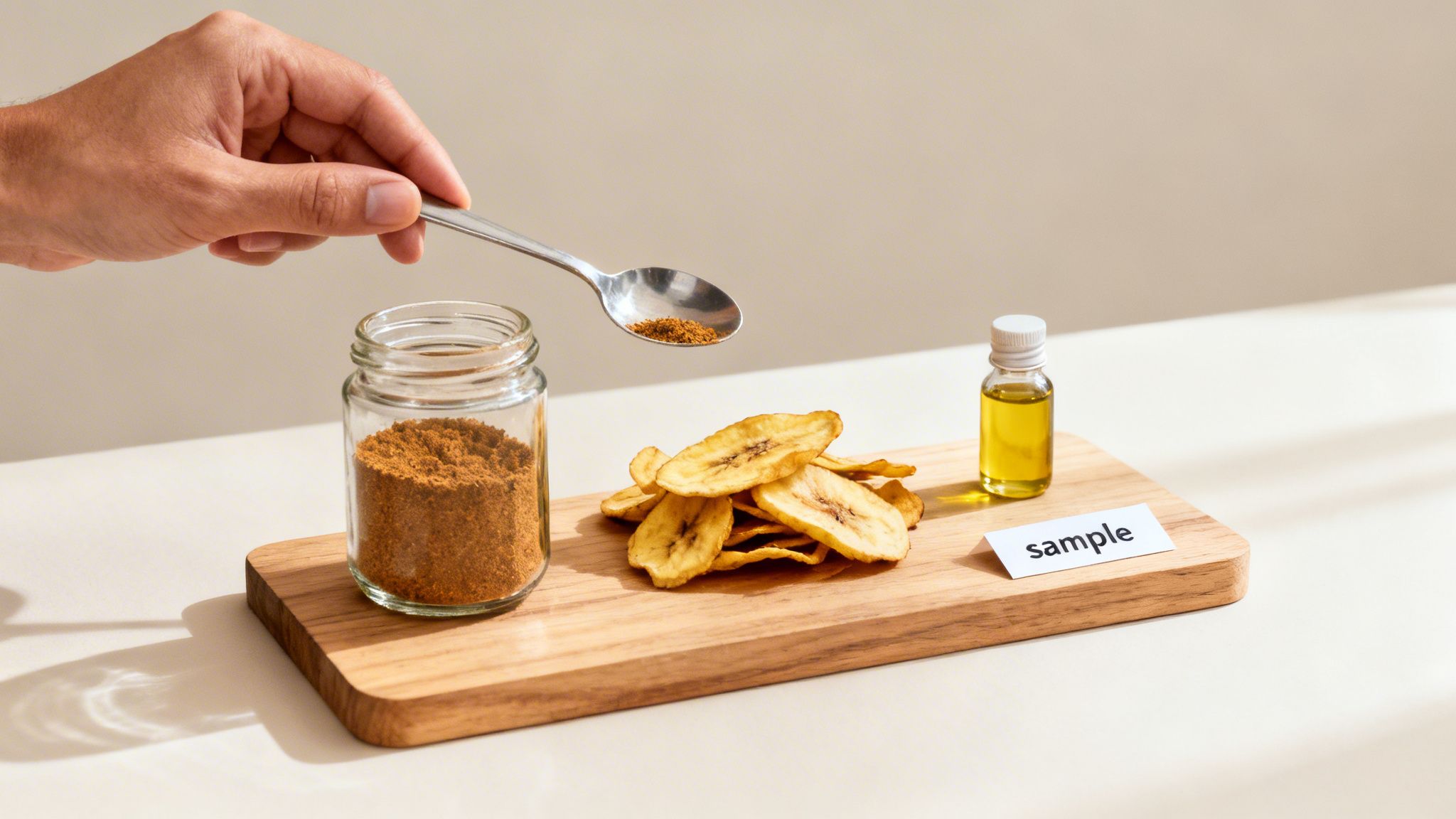
You wouldn’t buy a car without taking it for a test drive. So why would you ever lock yourself into a huge wholesale order without sampling the goods first?
Ordering samples is, without a doubt, the most important quality check you can do when sorting through wholesale African food suppliers in the UK. It’s your chance to see, smell, and taste the quality for yourself before you put your hard-earned money on the line.
Think of it as a small, low-risk investment that shields you from a massive, costly mistake. A pretty picture on a website can’t tell you if the ground crayfish has that authentic, pungent aroma, or if the red palm oil has the deep, rich colour it’s supposed to. A sample order closes that gap between what you see online and what you get in real life.
But this isn't just about checking the product—it's also a test of the supplier. The care they put into sending you a sample, from the packaging to how quickly it arrives, tells you a lot about how they’ll handle your much larger orders down the road. It’s the first real step in building a relationship based on trust.
What to Check When Your Samples Arrive
Once that sample box lands on your doorstep, it’s time to play detective. Don't just give the contents a quick glance; give them a proper inspection. Your own senses are the best tools you have for judging authenticity and quality.
A simple checklist can help you evaluate everything systematically, so you don't miss any red flags. Use it to compare samples from different suppliers side-by-side and see who really delivers on their promises.
- Visual Inspection: Does the product look as it should? Check the colour, size, and shape. For instance, honey beans (ewa oloyin) should have their signature brown shade, and yams need to be firm, with no soft spots or strange blemishes.
- Aroma and Scent: This is a huge indicator of freshness. Rip open that bag of ground ogbono—does it hit you with that distinct, earthy smell? Your nose will tell you immediately if something is off.
- Taste and Texture: Where it makes sense, have a taste. Is the plantain sweet enough? Does the garri have the right fine or coarse texture for your needs? For ingredients that are the heart of your dishes, this is completely non-negotiable.
- Packaging Integrity: How did the samples turn up? Were they sealed properly to keep them fresh and stop any spills? A leaky bottle of oil or a ripped bag is a major warning sign about a supplier's lack of attention to detail.
Trust is built on consistency. Ordering samples is your opportunity to verify a supplier's promises before you commit. It’s the smart way to minimise risk and ensure you receive the exact quality you expect every single time.
A Practical Checklist for Different Food Types
Different products need different checks. You can't use a one-size-fits-all approach when you're looking at everything from grains to oils.
Here’s a more specific breakdown to help you evaluate common African food categories properly:
| Food Category | What to Look For | Red Flags to Watch Out For |
|---|---|---|
| Grains & Flours (Garri, Semolina) | Consistent texture, free from clumps, pests, or foreign objects. | A sour or musty smell, discolouration, or signs of moisture. |
| Dried & Ground Goods (Crayfish, Egusi) | Strong, authentic aroma and correct colour. | A weak or stale smell, faded colour, or presence of excessive dust. |
| Oils (Palm Oil, Groundnut Oil) | Rich, vibrant colour and a clean, characteristic scent. | A cloudy appearance (unless normal for the type), rancid smell, or signs of leakage. |
| Produce (Plantain, Yams) | Firmness, uniform colour, and free from bruises or mould. | Soft spots, dark patches, a shrivelled appearance, or an off smell. |
By checking your samples this thoroughly, you’re not just buying food; you're laying the groundwork for a successful and trustworthy partnership with your supplier. It’s a simple step that makes sure every future order will meet your high standards.
Your Partner for Authentic African Ingredients
So, you’ve done your homework. You’ve explored the supply chain, figured out how to spot quality, and learned why comparing prices is so important when buying wholesale African food in the UK. It’s a lot to take in.
It’s clear that whether you're stocking your family's pantry, running a restaurant, or managing a retail shop, you need more than just a supplier. You need a partner you can rely on. One who gets it.
At the end of the day, the goal is simple: get authentic African ingredients delivered to your door without the fuss. But the reality of inconsistent quality, sky-high minimum orders, and confusing delivery terms can be a real headache. This is where having a proper partner doesn’t just help—it changes the game.
We’ve Built the All-In-One Solution
At My Africa Shop, we saw the common hurdles buyers face and built our entire service to overcome them. We’re not just another online store. We are your dedicated partner, here to make authentic African food accessible to everyone in the UK.
Here’s how we tackle the key challenges head-on:
- Vast Product Range: Forget juggling multiple suppliers. We’ve brought everything into one place, from bulk staples like garri and rice to speciality items like ground crayfish and authentic seasonings.
- Flexible Ordering: Need a single large bag of yams for a family gathering? Or ten cartons of Malta Guinness for your shop? Our system is built for both. We offer the flexibility that households and businesses need, without locking you into impossibly high minimum orders.
- Transparent Wholesale Pricing: We believe in fair, straightforward pricing. Our competitive rates are what they are, and with weekly deals and special offers on top, you can be sure you’re getting excellent value every time.
Reliability You Can Count On
In the food business, trust is everything. Think of the handshakes and long-term connections that traditional market traders build with their customers. We operate on that same principle, earning your trust through consistent, dependable service.
A partnership is about more than just transactions; it's about mutual success. We succeed when your kitchen is full of the authentic flavours you love, when your customers are delighted, and when your business thrives.
We know a great price means nothing if the delivery is late or your goods arrive damaged. That’s why we’ve worked hard to perfect our logistics. We offer fast, nationwide delivery, aiming to get your order to you within 48-72 hours.
Every parcel is packed with care to ensure your items—from fragile bottles of red palm oil to fresh plantain—arrive safely and in perfect condition. Our online platform is simple to use, with secure payment options and order tracking that keep you in control.
Let us handle the complexities of sourcing. That way, you can focus on what you do best: creating and sharing delicious food.
Frequently Asked Questions
Jumping into the world of wholesale African food suppliers in the UK can bring up a few questions, especially if you’re new to buying in bulk. Whether you’re a household, caterer, or retailer, you want to make your decisions with confidence. Here are some straightforward answers to the most common queries we get.
What Is a Typical Minimum Order Quantity for Wholesale African Food?
Minimum Order Quantities, or MOQs, can vary wildly from one supplier to another. Big-time importers might need you to commit to an entire pallet of a single product, which is often just not practical for a small restaurant or a family stocking up. It all comes down to the supplier's business model.
This is where online wholesalers like My Africa Shop really make a difference. We offer much more flexibility, letting you buy in smaller bulk units, like by the carton or even individual large packs. You get the wholesale benefit without the massive upfront cost or storage headache. This works perfectly for everyone, from large families filling their pantries to caterers who need exact amounts for an event. Always check a supplier's terms, as many will offer better per-unit prices the more you buy.
How Can I Be Sure the Products Are Authentic?
Authenticity is everything when it comes to great African food. The simplest way to know you’re getting the real deal is to work with suppliers who give you all the details, like the brand names and country of origin. Seeing familiar, trusted brands like Indomie, Malta Guinness, or Jumbo on the list is always a great sign of quality.
Customer reviews are your secret weapon here. They provide honest insight into a supplier’s consistency and whether their products are genuinely authentic. A supplier with a strong reputation, like My Africa Shop, has built their entire business on sourcing and delivering the real thing.
If you want total peace of mind, placing a small sample order first is a brilliant move. It lets you see, taste, and smell the products for yourself before you commit to a big wholesale purchase.
What Are the Benefits of a UK-Based Supplier Over Direct Importing?
Honestly, using a UK-based wholesale supplier saves you a massive amount of time, money, and stress. A local partner takes care of all the tricky and expensive parts of bringing food in from overseas, including:
- Dealing with customs clearance and paying import duties.
- Organising international shipping and all the logistics that come with it.
- Making sure every product meets strict UK food safety regulations.
What this means for you is much faster delivery—your order often arrives within 48-72 hours nationwide. That’s a world away from the weeks or even months you could be waiting for a direct import. You also get to order smaller, more manageable amounts, which frees up your storage space and cuts down on waste. And if anything does go wrong, customer service is right here in the UK, making any problems much easier and quicker to sort out.
Ready to stock your kitchen with authentic African flavours without all the hassle? My Africa Shop has a huge range of groceries at competitive wholesale prices, with reliable delivery across the nation. Check out our full collection and start your order today at https://myafricanshop.co.uk.