
Soon stocks will run out
Dont miss this opportunity while supplies last.


Soon stocks will run out
Dont miss this opportunity while supplies last.
A Fiery and Flavorful Scotch Bonnet Pepper Recipe

A good Scotch Bonnet pepper sauce is simple at its core. You just need to blend fresh peppers with some aromatics like onion and garlic, add a splash of vinegar to keep it fresh, and a pinch of salt. The real magic, though, is in getting that perfect balance between the pepper's intense heat and its uniquely fruity flavour. You can even customise this base with carrots or tomatoes to make a vibrant, all-purpose hot sauce.
Crafting Your Authentic Scotch Bonnet Hot Sauce
If you're tired of those generic, one-note hot sauces that only bring the burn, you've come to the right place. We're about to make a truly authentic Scotch Bonnet pepper sauce that’s bursting with the fruity, fiery character famous in Caribbean and West African cooking. Consider this your masterclass for the ultimate scotch bonnet pepper recipe.
We’ll start with the basics—what makes these peppers so special and which simple, fresh ingredients will make them sing. It's not just about knowing what to use, but why each ingredient plays a vital role. Understanding this is the key to creating a sauce with real depth and complexity, not just raw heat.
Essential Ingredients for Flavour and Fire
A brilliant sauce is all about teamwork between the ingredients. For this recipe, we're keeping it simple and focusing on a handful of quality items that let the Scotch Bonnet be the star of the show.
- Scotch Bonnet Peppers: The heart and soul of the sauce. They bring that signature heat, but also a sweet, almost tropical fruitiness that you just don't get from other chillies.
- Aromatics: Yellow onion and fresh garlic are non-negotiable here. They build a savoury, aromatic foundation that perfectly complements the pepper's flavour.
- Acid: White vinegar or apple cider vinegar is absolutely crucial. It brightens everything up, cuts through the fiery intensity, and acts as a natural preservative to make your sauce last longer.
- Sweetness (Optional): A bit of carrot or even a touch of brown sugar can work wonders. It helps to balance the fierce heat and really brings out the pepper's natural sweetness.
And if you're keen to dive deeper into the world of regional flavours, our complete guide to Nigerian spices and seasonings is a great place to expand your knowledge.
The goal isn’t just to make something hot; it’s to create something delicious. Each ingredient should complement the Scotch Bonnet, not overpower it. This balance is what transforms a good hot sauce into a great one.
To give you a better idea of why Scotch Bonnets are such a fantastic choice for this sauce, here’s a quick look at how they stack up against other popular peppers.
Chili Pepper Flavor and Heat Comparison
Use this table to understand how Scotch Bonnets compare to other common peppers in heat and taste.
| Chili Pepper | Scoville Heat Units (SHU) | Flavor Profile |
|---|---|---|
| Scotch Bonnet | 100,000–350,000 | Fruity, slightly sweet, with an intense, fiery heat. |
| Habanero | 100,000–350,000 | Floral, fruity, and smoky with a similar intense heat. |
| Jalapeño | 2,500–8,000 | Bright, grassy, and crisp with a mild to moderate heat. |
| Bird's Eye Chili | 50,000–100,000 | Sharp, peppery heat with less fruitiness. |
As you can see, the Scotch Bonnet shares its heat level with the Habanero but stands out with its distinct sweet and fruity notes, making it the perfect base for a flavour-packed hot sauce.
Sourcing the Best Ingredients for Authentic Flavour
Any great sauce is only as good as what you put in it. To get that truly authentic Scotch Bonnet flavour that pops, you have to start with the best ingredients. It’s the quality of your peppers and aromatics that will take your sauce from just "good" to absolutely unforgettable.
When you're out shopping, look for Scotch Bonnets that are bright and glossy. The skin should feel firm and tight, not wrinkly or soft. Give them a little sniff, too—a strong, fruity smell is a dead giveaway that you've got a fresh, flavour-packed pepper on your hands.
Where to Find the Best Peppers in the UK
You might spot Scotch Bonnets in the big supermarkets, but for the best quality and freshness, an African, Caribbean, or Asian speciality grocer is your best bet. They’re treasure troves for these peppers, and you’ll often find them fresher and cheaper than in the major chains.
There's a huge demand for them here in the UK. For the large African community, including over 208,000 Nigerians, the Scotch Bonnet is a non-negotiable for making the fiery stews and Jollof rice that taste like home. This demand is clear in the numbers—UK pepper imports jumped by 26.7% in a single year, hitting a massive £111,553,000 in 2022.
A reliable supplier is your secret weapon. Whether you're cooking for your family or running a catering business, finding a place that consistently provides top-notch produce is the key to a sauce that always hits the mark.
The Supporting Cast: Aromatics and Oils
Don't forget the rest of the crew! The quality of your other ingredients is just as crucial for building that deep, layered flavour in your Scotch Bonnet recipe.
- Garlic and Onions: Go for firm, fresh garlic and onions. They should feel heavy for their size, with no soft spots. These build the savoury foundation that perfectly balances the pepper's heat.
- Red Palm Oil: For that unmistakable West African taste, you've got to consider red palm oil. Its unique, earthy richness is something you just can't get from other oils. Always look for unrefined and sustainably sourced options.
- Vinegar: A good quality white or apple cider vinegar adds a clean, sharp tang that cuts through the heat. It also acts as a natural preservative, helping your sauce last longer.
If you’re running a food business or just love to be well-stocked, buying your peppers in bulk is a smart move. Having a steady supply of quality ingredients is essential for maintaining your reputation. For those looking to buy fresh Scotch Bonnet peppers in bulk, a trusted source ensures every single batch of your sauce has that vibrant, authentic taste your customers crave.
Right then, let's get into the good stuff. You've got your beautiful ingredients, so it's time to turn them into a truly sensational Scotch Bonnet sauce.
Think of this less like a strict recipe and more like me walking you through the process in my own kitchen. We're not just following steps; we're building layers of flavour from the ground up to create something special.
Prepping Your Ingredients Safely
First thing's first: safety. Scotch Bonnets are no joke. Their oils are powerful and can cause some serious irritation if they get on your skin or, even worse, in your eyes. So, before you do anything else, pop on a pair of disposable kitchen gloves. Trust me, this is non-negotiable.
With your hands protected, give your peppers and aromatics (like onions, garlic, and anything else you're using) a good wash. Snap the green stems off the Scotch Bonnets. Now, you have a choice. If you want a sauce with all the flavour but less of a fiery kick, slice the peppers open and carefully scrape out the seeds and the white membrane inside – that's where most of the capsaicin heat is. For a full-force, fiery sauce, you can leave them just as they are.
This infographic shows just how simple but important those first few moments of gathering your key components are.

Starting with the best ingredients you can find really does set the stage for a fantastic end result.
Building Flavour Through Roasting
This is where the magic really starts to happen. You could just blend everything raw, but to get a truly deep and complex flavour, you need to roast or char your ingredients first. This process caramelises the natural sugars in the veg, giving you a smoky, sweet foundation that balances the pepper's fruity heat perfectly.
You've got a few options here:
- Oven Roasting: Simply chop up your peppers, onions, and garlic, toss them in a little oil, and spread them out on a baking tray. Pop them in the oven at 200°C (180°C fan) for 20-25 minutes. You're looking for them to be soft and just starting to brown at the edges.
- Pan Charring: Get a heavy-based frying pan or a cast-iron skillet nice and hot over a medium-high heat. Place your vegetables in the dry pan and let them sit until they get proper blackened spots. Turn them over and do the same on the other side. This gives you a much more intense, smoky flavour.
- Grilling: If you've got the barbecue going, this is by far the best way to get that authentic smoky taste.
No matter which method you pick, the aim is to get some colour on those vegetables and coax out their natural sweetness. It's a total game-changer.
So many recipes will tell you to just boil the ingredients. Don't do it. Boiling will never give you the rich, savoury base that roasting creates. It’s one extra step that makes all the difference in the world to the final taste.
Blending to Your Perfect Consistency
Once your ingredients are beautifully roasted and have had a moment to cool down, it's time to blend. Tip everything into a good, sturdy blender.
Now, add your vinegar – white wine vinegar or apple cider vinegar both work brilliantly – and a generous pinch of salt. The vinegar is key; it adds a lovely tang that cuts through the richness and also helps to preserve your sauce.
Blend away until you get the texture you're after. This is all down to personal preference.
- For a rustic, chunky sauce that's great for spooning over grilled fish or dolloping into a stew, just pulse the blender a few times.
- For a silky-smooth, restaurant-style sauce perfect for drizzling or putting in a squeeze bottle, let it blend on high for a minute or two until it's completely velvety.
If your sauce looks a bit too thick, just loosen it with another splash of vinegar or a little water until it's just right. Have a taste, add more salt if it needs it, and that's it! You've just made a batch of vibrant, homemade Scotch Bonnet sauce that's ready to bring some life to your cooking.
How to Control Heat and Handle Peppers Safely

Scotch Bonnets are wonderfully flavourful, but they demand respect. Clocking in at 100,000 to 350,000 on the Scoville scale, their potent oils can cause serious skin and eye irritation. Before you even think about chopping one, your first move should always be to put on a pair of disposable kitchen gloves.
This isn't a friendly suggestion; it's a must-do. The fiery compound, capsaicin, is an oil that soap and water struggle to remove. One accidental rub of your eye after handling these peppers can ruin your day. Trust me, it’s a mistake you only make once.
Also, think about your kitchen space. If you're particularly sensitive or are roasting a big batch of peppers, crack a window open. The fumes can be surprisingly potent and might irritate your throat and eyes, so good ventilation is your friend.
Taming the Flame in Your Sauce
The best part about making your own scotch bonnet pepper recipe? You're the boss of the heat. You can dial it up or down to get that perfect balance where the pepper's beautiful fruity flavour shines without setting your mouth on fire.
The secret is all in the pepper's anatomy. Most of the heat isn't in the flesh itself, but in the white, pithy membrane (the placenta) and the seeds. To dial things down, just slice the peppers in half and use the tip of a spoon or a small knife to carefully scrape out those parts.
By removing the seeds and membrane, you can cut the heat by more than half while keeping all those signature fruity, tropical notes that make Scotch Bonnets so special. It’s the easiest trick for a more crowd-pleasing sauce.
Scotch Bonnet Heat Control Techniques
Managing the heat in your Scotch Bonnet sauce is an art. Depending on what you remove or add, you can drastically change the final product. This table breaks down the most common techniques and what you can expect from each.
| Technique | Heat Reduction Level | Impact on Flavour | Best For |
|---|---|---|---|
| Remove Seeds Only | Low | Minimal impact. Sauce may be slightly less bitter. | Those who like it hot but want a smoother consistency. |
| Remove Seeds & Membrane | Medium to High | Significant heat reduction. Enhances the pepper's fruity notes. | Creating a flavour-forward sauce with manageable heat. |
| Add Sweet Vegetables | Low to Medium | Adds sweetness and body. Creates a more complex, earthy flavour. | Balancing heat while increasing the sauce's volume and nutritional value. |
| Add Sugar or Honey | Low | Directly counters the spicy sensation without changing the core flavour. | Quick fixes and sauces where a touch of sweetness is welcome. |
As you can see, you have plenty of options. A combination of deseeding and adding sweet vegetables like carrots often gives the most balanced and delicious results for a milder sauce.
Balancing Flavours for a Milder Sauce
Beyond deseeding, you can easily manage the heat by bringing other ingredients into the mix. Think of it as building a flavour team to support your star player. Adding naturally sweet vegetables is one of the best ways to do this.
Try incorporating one of these to get the heat level just right:
- Roasted Carrots: These bring a beautiful sweetness and earthy depth, giving your sauce a smoother, more rounded flavour. They also add a fantastic vibrant colour.
- Bell Peppers: A red or yellow bell pepper will bulk out the sauce and introduce a gentle sweetness that works perfectly with the Scotch Bonnet's profile.
- A Touch of Sugar: For a quick adjustment, a small amount of brown sugar or a drizzle of honey can directly counteract the heat, making the sauce more balanced.
By playing around with these methods, you can craft the perfect batch every single time. Whether you’re after a blistering-hot condiment or a milder, flavour-first sauce, these simple adjustments put you in control.
How to Use and Pair Your Homemade Hot Sauce

So, you’ve got a jar of that beautiful, fiery Scotch Bonnet sauce sitting in your fridge. What now? It’s time to unleash its magic. Don't just think of it as a condiment; this sauce is a game-changing ingredient that will bring a whole new dimension to your meals.
The most obvious way to use it is as a finishing touch. A generous drizzle over grilled fish or chicken adds a final, brilliant burst of fruity heat. It’s also absolutely incredible spooned over fried plantain or yam, where its sharp kick cuts right through the sweetness.
Integrating Sauce into Classic Dishes
To really see what this sauce can do, start adding it directly into your cooking. Just a few spoonfuls can completely transform a dish, weaving in a depth of flavour that you simply can't get by adding heat at the table.
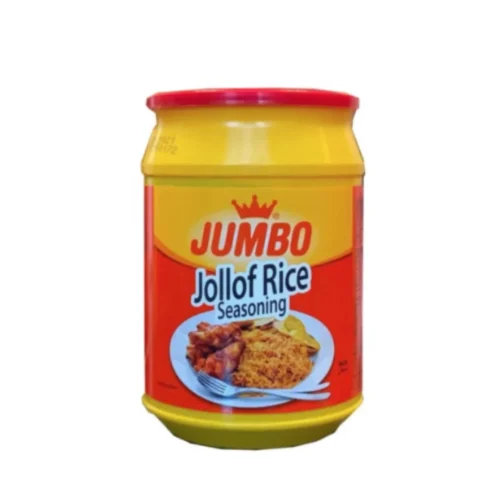
- Jollof Rice: Stir a tablespoon or two into your tomato base right before the rice goes in. This infuses every single grain with that signature Scotch Bonnet heat and aroma for a truly authentic taste.
- Hearty Stews: Whether you're making a chicken, goat, or beef stew, add your sauce along with your other seasonings. It will mellow and meld with the other ingredients as it simmers, enriching the entire pot.
- Pepper Soup: Use your sauce as a shortcut to a flavour-packed pepper soup. It provides both the heat and the fragrant notes you need for a comforting, satisfying bowl.
These peppers are more popular than ever. Global exports have jumped by around 29% between August 2023 and July 2024, and the UK is one of the top importers. For the UK's West African communities, it’s a non-negotiable ingredient for these very dishes. You can dive deeper into these trends and find out about the Scotch Bonnet pepper market on Scribd.com.
Creative Marinades and Dips
This homemade sauce also works wonders as a marinade base. The vinegar doesn’t just add a tangy flavour; it also helps to tenderise your meat.
For a quick and punchy marinade, just mix your Scotch Bonnet sauce with a splash of olive oil, some crushed garlic, and your favourite dried herbs like thyme. It's perfect for chicken thighs or fish fillets before they hit the grill or oven.
If you're entertaining, you can whip up an addictive party dip in seconds by swirling your hot sauce into mayonnaise or Greek yoghurt. It’s a fantastic partner for crisps, vegetable sticks, or grilled prawns. This isn't just a tip for home cooks, either—it's a brilliant, cost-effective trick for caterers looking to add a signature dip to their platters.
And if making marinades has got you inspired, you should check out our guide on how to make jerk chicken sauce for another classic flavour profile.
Storing, Freezing, and Scaling Your Recipe
Once you've nailed that perfect batch of Scotch Bonnet sauce, the last thing you want is for it to go to waste. You'll want it on hand for everything. Getting your storage right is the secret to making all that delicious effort last for weeks, or even months.
For keeping your sauce ready to go in the fridge, sterilised glass jars are your best bet. Make sure the sauce has cooled down completely, then pour it into jars with airtight lids. Sterilising sounds technical, but it’s simple: wash your jars and lids in hot, soapy water, give them a good rinse, and pop them in the oven at 160°C (140°C fan) for about 15 minutes until they're completely dry.
Tucked away in the fridge like this, your homemade sauce will keep its incredible flavour for a solid 2-3 weeks. The vinegar helps preserve it naturally, but a truly airtight seal is what stops any nasties from getting in.
Freezing for Long-Term Flavour
If you’re thinking longer-term, the freezer is the answer. It’s the best way to lock in that fiery heat and complex flavour without losing anything. The real trick here is to use ice cube trays.
Just pour your cooled sauce into the trays and let them freeze solid. Once frozen, you can pop the cubes into a freezer bag, label it, and you're done. This genius method gives you perfectly sized portions of sauce ready to grab whenever you need them. They’ll last for up to 6 months, perfect for dropping straight into stews or thawing out for a dipping sauce.
Pro-Tip: Using ice cube trays for freezing is a total game-changer for portion control. Just need a small kick for your Jollof rice? One cube will do it. Making a huge pot of pepper soup for the family? Throw in three or four. No more defrosting a whole jar for a tiny bit of sauce.
Scaling the Recipe for Bigger Batches
This scotch bonnet pepper recipe is incredibly easy to make in larger quantities. It's perfect for caterers, small food businesses, or just anyone who loves being fully stocked with the good stuff. The main thing is to keep the core ratios of peppers, aromatics, and vinegar consistent.
As a rule of thumb, you can double or triple every single ingredient except the salt. You’ll want to add salt bit by bit right at the end. Flavours concentrate differently in big batches, so it's always better to taste and adjust.
When you're going big, keep these points in mind:
- Roast in Stages: Whatever you do, don't pile all your veg onto one baking tray. Roast in several batches to make sure they get that lovely caramelisation instead of just steaming.
- Blend in Batches: Unless you’re working with a massive commercial blender, it's smarter and much more effective to blend the sauce in manageable portions. This gives you a consistently smooth texture all the way through.
- Adjust at the End: Once everything is blended, combine all the batches into one large pot. Warm it up gently and have a taste. This is your moment to get the seasoning spot-on and add a little more vinegar if it needs that extra tangy finish.
Your Questions Answered
Can I Use a Different Pepper?
Absolutely, but just know the final flavour won't be quite the same. If you're in a pinch, Habaneros are your closest substitute, as they bring a similar level of fruity heat.
Switching to another chilli, like a bird's eye, will give you a sauce with a sharper, more direct heat, but you'll miss out on that classic, complex flavour that makes this scotch bonnet sauce so special.
Help! My Sauce Is Way Too Hot. How Do I Fix It?
It happens to the best of us! If you've been a bit too heavy-handed with the peppers, don't panic. You can easily tone it down.
The simplest fix is to blend in more of the non-spicy ingredients, like extra roasted carrots or tomatoes, to dilute the heat. A little splash of vinegar can also work wonders, cutting through the spice while adding a lovely bright note.
How Long Will This Sauce Keep?
Once you've bottled your sauce in a sterilised, airtight jar, it will stay fresh in the fridge for a good 2-3 weeks.
For a longer-term solution, freezing is your best friend. Pour the sauce into ice cube trays and pop them in the freezer. Once solid, transfer the cubes to a freezer bag. They'll last for up to 6 months, giving you perfect, fiery portions whenever the craving hits.
For all the authentic ingredients you need to perfect this sauce and other classic African dishes, you can count on My Africa Shop to deliver quality right to your doorstep. Start shopping now at https://myafricanshop.co.uk.