
Soon stocks will run out
Dont miss this opportunity while supplies last.


Soon stocks will run out
Dont miss this opportunity while supplies last.
Delicious Recipes Using Frozen Fish for Authentic Meals

The best recipes using frozen fish take full advantage of its convenience for delicious, authentic meals like Nigerian Mackerel Stew, Ghanaian Grilled Tilapia, or Caribbean Jerk Cod. Thanks to modern freezing methods and knowing how to thaw it properly, frozen fish is a fantastic, budget-friendly alternative to fresh, without losing out on flavour or texture. It’s the perfect way to bring vibrant African and Caribbean dishes to your table, any day of the week.
Why Frozen Fish Is Your Secret to Flavourful Cooking
Let's be real—a lot of us were raised to believe that frozen fish was a compromise, a pale imitation of the "real thing" you get from the fishmonger. I'm here to set the record straight and show you why that’s a myth, especially when you're making the rich, complex meals we love from West Africa and the Caribbean.
The truth is, modern freezing technology has completely changed the game. When you see fish labelled IQF (Individually Quick Frozen), it means each piece was frozen solid within hours, sometimes even minutes, of being caught. This process makes all the difference.
Keeping That Fresh-Caught Flavour
Unlike the slow freezing process in a home freezer, which creates large, sharp ice crystals that wreck the fish’s texture and make it mushy, IQF creates tiny crystals. This is how the firm texture and delicate flavour of fish like tilapia, hake, and mackerel are perfectly preserved.
Think of it this way: flash-freezing is like hitting a pause button, locking in all the freshness and nutrients right at their peak. A fish frozen at sea is often fresher by the time it gets to your kitchen than a "fresh" fish that’s been travelling for days.
This is exactly why frozen fish is such a smart choice. You can stock your freezer with high-quality protein, ready for whenever you feel like cooking.
Convenience and Cost Savings
For busy families, caterers, or anyone in the UK missing a taste of home, the convenience is a game-changer. There’s no pressure to cook it within a day or two, which means less food waste and more flexible meal planning.
It’s no wonder the UK's frozen fish market is huge; in 2026, consumption hit a massive 403,000 tons, with fillets making up over 80% of that. This just shows how easily frozen fish fits into our lives, whether for a quick African stew or grilled fish with jollof rice. If you’re curious, you can read more about the UK's frozen fish market trends and see how it’s shaping what we eat at home.
Here’s a quick breakdown to help you decide which is right for your next meal, based on my experience in the kitchen.
Frozen Fish Vs Fresh Fish: A Quick Comparison
| Attribute | Frozen Fish | Fresh Fish |
|---|---|---|
| Freshness | Often frozen at sea within hours of being caught, locking in peak freshness. | Can take several days to reach the store, losing freshness along the way. |
| Convenience | Buy in bulk and store for months. Cook whenever you're ready. | Must be cooked within 1-2 days of purchase. |
| Cost | Generally more affordable and less prone to price fluctuations. | More expensive, and prices can vary depending on the season and availability. |
| Waste | Use only what you need, reducing food waste. | Higher risk of spoilage if not used quickly. |
| Availability | A wide variety of fish is available year-round. | Selection is limited by season and what's locally available. |
Frozen fish is often cheaper than fresh, which makes it easier to enjoy nutritious, delicious meals without breaking the bank. That accessibility is key to recreating the dishes we know and love.
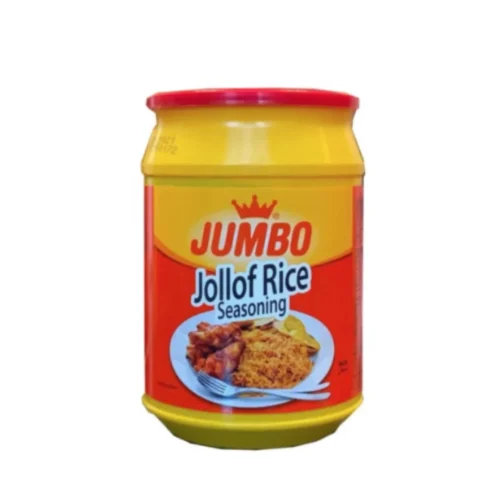
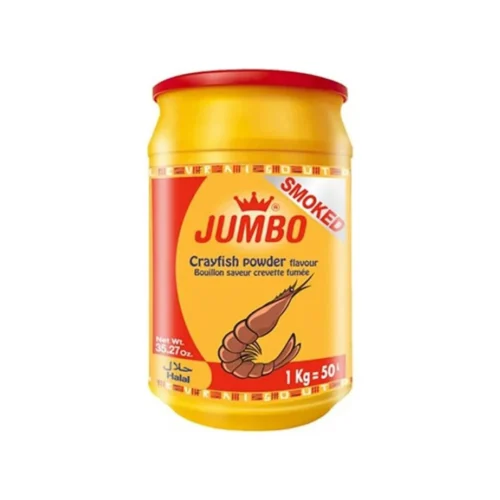
At My Africa Shop, we get this. We know you need that perfect balance of quality, convenience, and authenticity. You can find excellent quality frozen fish right alongside all your essential ingredients, from fragrant Red Palm Oil to aromatic Jumbo seasonings, all delivered straight to your door.
The Right Way to Thaw and Prep Frozen Fish
The secret to a beautifully flaky fish stew or a perfectly seared tilapia often isn’t in the cooking—it’s in the prep. How you thaw your frozen fish can make or break the final dish. Get this step right, and I promise your frozen fish recipes will be indistinguishable from those made with fresh catch.
Let’s be honest, convenience is king in most UK kitchens. We’re all busy, and frozen fish is a lifesaver. It’s no surprise that more of us, especially younger, health-conscious cooks, are reaching for easy options like pre-portioned fillets. You can even see this trend in studies on the UK's growing appetite for convenience in seafood.
This simple guide shows exactly why frozen fish is such a smart choice for modern cooking.

When convenience is a top priority, frozen fish is the clear winner. Now, let’s make sure you handle it like a pro.
The Best Method: Slow and Steady in the Fridge
If you have the time, the absolute gold standard for thawing fish is in the refrigerator. It’s the gentlest method and guarantees the best possible texture.
All you have to do is take the fish out of its outer packaging, place it on a plate or in a shallow dish, and cover it loosely with cling film before popping it in the fridge. The slow, cold thaw prevents the fish's outer layers from warming up too quickly, which is where bacteria love to grow.
A good rule of thumb is to allow about 10-12 hours of thawing time in the fridge for every pound of fish. For a standard pack of two tilapia fillets, this just means moving them to the fridge the night before.
This little bit of planning pays off big time, giving you perfectly firm, flaky fish ready for any recipe.
In a Rush? The Cold Water Method
What happens when it’s 5 PM and you’ve completely forgotten to take the fish out? Don't panic. And whatever you do, step away from the microwave and hot water taps. Your best bet for a safe, speedy thaw is the cold water method.
Here’s how I do it:
- Make sure the fish is in a sealed, leak-proof bag. If the original packaging is open, pop the fillets into a secure zip-top bag and squeeze out all the air.
- Submerge the sealed package in a large bowl of cold tap water.
- This is the important part: change the water every 30 minutes. This keeps the water temperature cold enough to be safe while still being effective.
Using this technique, a one-pound pack of fish fillets can thaw in about an hour. It’s a fantastic trick to have up your sleeve and works for other seafood, too. If you cook with prawns, we have a similar guide on how to defrost frozen prawns correctly that’s worth a read.
No Thawing Needed: Cooking Straight From Frozen
Sometimes, you can skip the thawing process altogether. For thinner fillets (less than an inch thick), cooking straight from frozen works beautifully, especially if you're baking, steaming, or poaching.
The key is to increase the cooking time. Just add about 50% to the time your recipe calls for. So, if a thawed cod fillet bakes in 15 minutes, its frozen counterpart will need around 23-25 minutes.
But be warned: this method isn’t for every dish. If you're dreaming of crispy-skinned mackerel or a gorgeous sear on your tilapia, you must thaw the fish first. The excess moisture from a frozen fillet will just steam the fish in the pan, making it impossible to get that lovely brown crust.
The Final, Crucial Prep Step
No matter how you’ve thawed your fish, there’s one last step that is absolutely non-negotiable: pat it completely dry.
Grab a few paper towels and gently press on all sides of the fillet until it's as dry as you can get it. This simple action is the secret to getting a perfect sear, stopping the fish from sticking to the pan, and helping your seasonings and marinades to cling properly. It’s a tiny detail that makes a world of difference.
Authentic West African and Caribbean Fish Recipes

Right, this is where the fun really begins. We've covered why frozen fish is a brilliant pantry staple and the best ways to thaw it. Now, it’s time to take that perfectly prepped fish and create something truly special—a meal bursting with the authentic, sun-drenched flavours of West Africa and the Caribbean.
These aren't just recipes; they're stories on a plate. Each one holds a treasured spot in my kitchen, proving that cooking with frozen fish isn't a shortcut or a compromise. It's a smart, practical way to whip up incredible dishes any day of the week.
We're going to dive into three of my absolute favourite recipes: a soul-warming Nigerian Mackerel Stew, a fiery Ghanaian Grilled Tilapia, and a zesty Caribbean Jerk Cod. Let’s get our aprons on.
Nigerian Mackerel Stew (Obe Eja)
This stew is pure comfort food. It’s the kind of dish that fills the whole house with the rich, inviting aroma of simmering tomatoes, peppers, and spices. It takes me right back to my mother’s kitchen on a chilly evening. Serve it with some fluffy white rice or boiled yam, and you’ve turned a simple meal into a proper feast.
Frozen mackerel is fantastic here. Its rich, oily flesh is robust enough to handle a slow simmer, soaking up all the incredible flavours of the sauce without falling apart.
What You Will Need
For the Fish:
- 4 frozen mackerel fillets, thawed and patted dry
- 1 teaspoon salt
- ½ teaspoon black pepper
- 1 Jumbo All-Purpose Seasoning cube
For the Stew Base:
- 4 large ripe tomatoes
- 2 red bell peppers (tatashe)
- 1-2 scotch bonnet peppers (ata rodo), adjust to your heat preference
- 1 large onion, halved
For Cooking:
- 150ml Red Palm Oil, a non-negotiable for that authentic flavour
- 1 teaspoon dried thyme
- 1 teaspoon curry powder
- 2 bay leaves
- Salt and extra Jumbo seasoning to taste
Creating the Stew
First things first, let’s get that mackerel seasoned. Rub the fillets all over with salt, black pepper, and a crumbled Jumbo cube, then set them aside. If you have time, you can lightly fry or grill the fillets for a few minutes per side to firm them up, but it's totally optional.
Now for the stew base. Roughly chop the tomatoes, bell peppers, scotch bonnets, and half of your onion. Blitz them in a blender until you have a smooth, vibrant purée. Finely chop the other half of the onion.
Get a large pot and heat the red palm oil over a medium flame for a minute or two. You want it hot, but not smoking. Tip in the chopped onions and fry until they're soft and fragrant, building that first essential layer of flavour.
My Personal Tip: Don't rush frying the pepper blend. Pour it into the hot oil and just let it do its thing for at least 15-20 minutes, stirring every now and then. You’ll see the oil start to separate and rise to the surface. This is the secret to cooking off that raw, tangy taste and developing a deep, sweet, and complex flavour base.
Once the base has cooked down and deepened in colour, stir in the thyme, curry powder, and bay leaves. Let them sizzle for a minute to wake up their aromas.
Gently nestle the seasoned mackerel fillets into the sauce. Turn the heat down to low, pop the lid on, and let everything simmer for another 10-15 minutes. This gives the fish time to cook through and become one with that beautiful sauce. Have a taste and add a bit more salt or Jumbo seasoning if it needs it.
Serve this hearty stew piping hot with boiled yam, plantain, or a mountain of rice.
Ghanaian Grilled Tilapia with Spicy Pepper Sauce
One bite of this and I’m transported to a bustling chop bar on a warm Accra evening. The smoky char of grilled tilapia alongside the sharp, fresh heat of a pepper sauce (what we call shito) is a combination that’s simply unbeatable.
Using frozen tilapia makes this an easy weekend treat. The absolute key here is to thaw the fish completely and pat it bone-dry to get that perfect, crispy finish on the grill.
What You Will Need
For the Fish:
- 4 whole frozen tilapia or 4 large fillets, thawed and dry
- 2 cloves garlic, minced
- 1-inch piece of ginger, grated
- 1 tablespoon sunflower oil
- 1 teaspoon salt
For the Pepper Sauce (Shito):
- 5 scotch bonnet peppers
- 2 large tomatoes
- 1 small onion
- A small handful of fresh parsley or coriander
- Juice of 1 lime
- Salt to taste
Grilling to Perfection
Start with the fish. If you're using whole tilapia, score it with a few shallow diagonal cuts on each side. This lets the marinade work its magic deep into the flesh and helps it cook evenly.
In a small bowl, mix the minced garlic, grated ginger, oil, and salt into a rough paste. Rub this all over the fish, making sure to get it into the scores. Let it marinate for at least 30 minutes.
While the fish is marinating, whip up your fiery pepper sauce. Roughly chop the scotch bonnets, tomatoes, and onion. Toss them in a blender with the parsley and lime juice. Pulse until it’s mostly smooth but still has a bit of texture. Season with salt.
Get your barbecue or oven grill preheated to medium-high. If you're using the oven, line a tray with foil to make cleanup easier.
Grill the tilapia for about 6-8 minutes per side for fillets, or 10-12 minutes per side for whole fish. You're looking for beautifully charred, crispy skin and opaque, flaky flesh.
Serve the fish straight off the grill with a generous dollop of that fresh pepper sauce on the side. It's incredible with fried plantain, banku, or kenkey. For those who love crafting deep, complex flavours, our guide to authentic Pepper Soup Spices can help you explore new taste combinations.
Caribbean Jerk Cod with Sweet Plantain
This dish is pure Caribbean sunshine on a plate. The bold, aromatic jerk seasoning is the perfect counterpoint to the mild, flaky cod, creating a flavour explosion that's spicy, smoky, and sweet all at once.
Cod’s firm texture holds up brilliantly to the intense heat and flavour, and having frozen fillets on hand means you can satisfy that jerk craving whenever it strikes.
What You Will Need
| Ingredient | Quantity | Notes |
|---|---|---|
| Frozen Cod Fillets | 4 (approx. 170g each) | Thawed and patted very dry. |
| Jerk Seasoning | 3-4 tablespoons | Use a quality store-bought paste or your own. |
| Lime | 1 | For juice and zest. |
| Honey or Maple Syrup | 1 tablespoon | To balance the spice. |
| Olive Oil | 2 tablespoons | For cooking. |
| Ripe Plantains | 2 | Yellow with black spots for peak sweetness. |
| For Garnish | Fresh coriander & spring onions | Chopped. |
Creating the Jerk Flavour
In a shallow dish, mix the jerk seasoning, the juice and zest of the lime, and the honey. This combination nails that perfect balance of heat, citrus, and sweetness that defines authentic jerk cooking.
Place your thawed, dry cod fillets in the marinade and turn them over to get a nice even coating. Let them sit for at least 20 minutes to soak up all that flavour. Just don't leave them for much longer, as the lime juice will start to "cook" the fish.
While the cod marinates, peel your plantains and slice them on a diagonal into ½-inch thick pieces.
Heat one tablespoon of olive oil in a large, non-stick frying pan over medium-high heat. Carefully add the cod fillets, making sure not to overcrowd the pan. Cook for about 3-4 minutes on each side, until the fish is cooked through and has a beautiful, caramelised crust.
Remove the fish from the pan and set it aside. Add the last tablespoon of oil to the same pan and fry the plantain slices until they’re golden-brown and sticky-sweet on both sides.
Serve the jerk cod immediately with the fried plantain. A sprinkle of fresh coriander and chopped spring onions adds a lovely burst of freshness. Add a side of rice and peas, and you've got a complete Caribbean feast.
Building Flavour with Essential Seasoning Blends

The secret to truly unforgettable fish isn't just the cooking method—it's all in the seasoning. This is where the real magic of West African and Caribbean cooking comes alive. Moving beyond simple salt and pepper is what transforms good recipes using frozen fish into meals your family will ask for again and again.
It’s all about building layers of flavour. Think about the deep, savoury umami that ground crayfish adds, or the signature smoky heat from a good Suya spice. These are the building blocks for creating a pantry you can rely on to bring authentic taste to your kitchen.
With more of us cooking at home, UK seafood retail sales have climbed, hitting a massive £4.65 billion in 2026, which means more frozen fish in our freezers. This is great news for anyone wanting to master dishes like Nigerian banga soup with frozen mackerel. You can read more about these UK seafood sales trends and see just how much our habits have changed.
My Go-To Seasoning Combos for Fish
Making your own seasoning mixes is one of the best ways to get the taste of your food just right. You can make them in batches and keep them in airtight jars, ready to go whenever you need to bring a fish dish to life.
Here are a few of my favourite combinations that I use for everything from tilapia to cod. You can find all the authentic ingredients you need right here at My Africa Shop.
| Flavour Profile | Key Ingredients | Best For |
|---|---|---|
| Classic Pepper Soup | Grains of Selim (Uda), Alligator Pepper (Atariko), Calabash Nutmeg (Ehuru), dried ginger, chilli flakes. | Creating that famously warming and aromatic Nigerian Pepper Soup. Perfect for catfish or tilapia. |
| Caribbean Jerk | Scotch bonnet peppers, fresh thyme, allspice (pimento), spring onions, lime juice. | A fiery, smoky, and slightly sweet marinade for grilling or baking firm fish like cod or hake. |
| Smoky Suya Spice | Roasted groundnuts, ginger powder, cayenne pepper, paprika, onion powder. | Giving a nutty, smoky heat to grilled or pan-fried fish. Fantastic on mackerel or snapper. |
| Savoury Umami | Ground crayfish, onion powder, garlic powder, a hint of cayenne. | Adding a deep, savoury foundation to fish stews, sauces, and soups. Incredibly versatile. |
These blends are a fantastic starting point. Don't be afraid to experiment by adjusting the heat or adding your own favourite herbs. Cooking is all about making it your own!
A good all-purpose seasoning is a lifesaver in any kitchen. It provides a balanced, savoury base that you can build on with other spices. It’s my secret weapon for adding a quick, consistent layer of flavour without overpowering the fish itself.
Using a pre-made blend can be a real time-saver and guarantees delicious results every time. If you’re looking for a versatile option that works with almost anything, grabbing a quality all-purpose seasoning is a brilliant place to start. It’s all about tasting, adjusting, and making every dish uniquely yours.
Smart Meal Planning and Storage for Your Fish Dishes
Cooking a beautiful fish dinner is one thing, but making those flavours stretch through a busy week is where the real magic happens. This is all about smart meal planning. It's how one big cooking session on a Sunday can turn into several easy, delicious meals, saving you time and cutting down on waste.
I do this all the time. For instance, when I make a big pot of Nigerian Fish Stew over the weekend, I never plan on eating the same exact meal for three days straight. Instead, I mix it up.
- Night One: We’ll have it the classic way, served with a mountain of fluffy white rice.
- Night Two: I might pair it with some soft boiled yam or crispy fried plantain to bring in a completely different texture.
- Night Three: The leftover stew becomes a rich, flavourful starter for a quick Okro soup.
That way, dinner always feels fresh and exciting. It’s not just about reheating leftovers; it’s about having amazing, pre-prepped ingredients ready to build a new meal in minutes.
Safe Storage for Cooked Fish
Getting your cooked fish stored properly is absolutely essential for keeping it safe and delicious. The number one rule is to cool it down fast before it ever sees the inside of a fridge or freezer. Never leave cooked fish sitting out on the counter for hours – that’s just asking for trouble.
My trick is to divide the stew or grilled fish into smaller, shallow airtight containers right away. This gives it more surface area and helps it cool down so much faster than leaving it in one big pot. I aim to get it sealed and in the fridge within an hour.
Cooked fish stays perfectly good in the refrigerator for up to three days. If you want to keep it longer, it freezes brilliantly for up to three months. Just make sure your container is freezer-safe and sealed tight to keep freezer burn away.
Reheating for Best Results
When you’re ready to eat, reheating your fish the right way makes all the difference. The goal is to get it lovely and hot without drying it out and making it rubbery.
For saucy dishes like stews, I always reheat them gently in a saucepan on a low heat. Just stir it every now and then until it’s piping hot. If the sauce has thickened up, a little splash of water or broth will bring it right back.
If you’ve got grilled or baked fish fillets, your oven or air fryer is the way to go. A few minutes at around 180°C (350°F) warms the fish through and even helps bring back a bit of that lovely original texture. Whatever you do, try to avoid microwaving plain fillets; it tends to steam them and can make the texture tough.
Common Questions About Cooking With Frozen Fish
Even the most experienced cooks have questions when they first start working with frozen fish. It’s completely normal. Let's tackle some of the most common ones I hear so you can get into the kitchen and cook with complete confidence.
Think of this as your cheat sheet for getting brilliant results every single time.
Can I Really Cook Fish Directly From Frozen?
Yes, you definitely can, but it’s a game of choosing the right cooking method. For thinner fillets (think less than an inch thick), baking, steaming, or poaching from frozen works beautifully.
The golden rule is to add about 50% more time to whatever the original recipe calls for.
However, if you're dreaming of that gorgeous, crispy skin you get with dishes like our Ghanaian Grilled Tilapia, you absolutely must thaw your fish first. Cooking a frozen fillet in a hot pan releases a flood of water, which will steam the fish instead of frying it. Moisture is the number one enemy of crispiness.
Does Freezing Fish Make It Less Nutritious?
Not in the slightest. This is probably the biggest myth out there! The flash-freezing process used commercially is incredibly good at locking in all the vitamins and nutrients, often happening right on the boat just moments after the catch.
A fish frozen at sea can actually have more of its goodness intact than a so-called "fresh" fish that has spent days travelling to get to the supermarket shelf.
You can be entirely confident that you are serving your family a healthy, nutrient-packed meal. The freezing process is like hitting a pause button, preserving the fish at its peak freshness.
Why Does My Frozen Fish Sometimes Have a Bad Texture?
Nine times out of ten, a mushy or watery texture comes down to how the fish was handled—either before you bought it or after you got it home. The main culprit is being thawed and then refrozen. This cycle creates large ice crystals that puncture the fish's delicate cells, leaving you with a soft, unpleasant texture once cooked.
Another common mistake is trying to speed-thaw fish in hot water. This is a recipe for disaster. It will start to cook the outside of the fillet while the centre is still frozen solid, completely ruining the texture. Always stick to the gentle methods we talked about earlier: either overnight in the fridge or in a bowl of cold water.
Where Can I Find Authentic Ingredients in the UK?
Getting the flavours of West African and Caribbean food right is all about the ingredients. You can follow a recipe perfectly, but if the core components aren’t authentic, the dish just won't taste the same. Having a trusted source is everything.
For everything from high-quality frozen fish to the essential Red Palm Oil and ground crayfish, My Africa Shop is the go-to online supermarket for authentic African and Caribbean groceries in the UK. Discover everything you need for your next meal at https://myafricanshop.co.uk.