
Soon stocks will run out
Dont miss this opportunity while supplies last.


Soon stocks will run out
Dont miss this opportunity while supplies last.
The Ultimate Jollof Rice Recipe for Perfect Party-Style Results

Welcome to the only guide you'll ever need for making truly unforgettable Jollof rice. Forget every other jollof rice recipe you've seen online. This is a deep dive into the heart of West Africa's most iconic dish, showing you the techniques that deliver that signature smoky flavour and perfectly fluffy texture every single time.
Why This Jollof Recipe Just Works

We're going way beyond a simple list of ingredients here. I’m talking about the real secrets behind creating that vibrant red stew base, getting your long-grain rice to cook perfectly without a hint of mushiness, and achieving that subtle smokiness that makes a Jollof legendary.
Understanding why each step is so important is the key to mastering this dish. I'll show you which ingredients are completely non-negotiable and how sourcing them properly—especially if you're in the UK—can elevate your meal from pretty good to absolutely legendary. It's easier than ever, thanks to brilliant suppliers like My Africa Shop.
More Than Just a Meal
Jollof rice is a cultural phenomenon. It's the centrepiece of every celebration and the source of some very passionate "Jollof Wars." That friendly rivalry, especially between Nigeria and Ghana, just goes to show how versatile and beloved this dish really is. While we'll be focusing on a classic, tried-and-true Nigerian-style method, the principles you'll learn here are the foundation for any great Jollof.
At its heart, Jollof rice is all about building layers of deep, savoury flavour. The goal isn't just to cook rice in some tomato sauce; it's about creating an aromatic, perfectly balanced stew that every single grain of rice drinks up completely.
This process transforms a handful of simple ingredients into something truly special. This dish is so integral to West African food culture that it has become a staple for communities across the UK. In fact, research on the dietary habits of Black British adults found that Jollof rice—made with its classic base of tomatoes, onions, spices, and meats—was a main source of energy. You can read more about these culinary findings on dietary contributions for yourself.
What You're About to Master
Stick with me, and you'll gain the confidence to create a Jollof rice that will have your family and friends begging for the recipe.
You’re going to learn how to:
- Build a Flavourful Base: Master the art of frying your tomato purée and pepper mix correctly. This is the secret to killing any sour taste and getting that deep, rich red colour.
- Achieve the Perfect Texture: Finally understand the precise liquid-to-rice ratio and heat control needed for fluffy, separate grains every single time. No more mushy rice.
- Develop an Authentic Taste: I'll share the secrets to layering seasonings and creating that elusive, smoky "party Jollof" flavour right in your own kitchen.
Get ready. You're about to nail a Jollof rice recipe that's more than just food; it's a whole experience.
Gathering Your Jollof Ingredients And Tools
The secret to incredible Jollof rice doesn’t start when you turn on the hob. It begins with your shopping list. Think of it as putting together a dream team; every ingredient and tool has a critical part to play, and your final dish depends on getting the best players on your side.
Getting these fundamentals right from the start makes for a delicious, stress-free cooking session. You wouldn't build a house on a shaky foundation, right? The same logic applies here. Let's walk through exactly what you need to create that perfect pot of Jollof.
The Unshakeable Foundations Of Flavour
The very soul of Jollof rice is its rich, vibrant stew base, built from a simple but mighty blend of fresh produce. This isn't just about getting that signature colour; it’s about creating a deep, layered flavour profile. You need the sweetness of the peppers to balance the acidity of the tomatoes, with a fiery kick from the chillies to bring it all to life.
For this all-important base, you’ll need:
- Ripe Plum Tomatoes: These give the stew its acidic backbone and essential moisture.
- Red Bell Peppers (Tatashe): Absolutely crucial for sweetness and that classic bright red colour. Don't even think about skipping these, as they're what cut through the tartness of the tomatoes.
- Scotch Bonnet Chillies: This is where Jollof gets its famous heat. Use just one for a mild warmth or go for three if you want a serious kick.
- Onions: One goes into the blended base for depth, and another is finely chopped to be fried at the beginning, building that first layer of flavour.
Balance is everything. A very common mistake is to go too heavy on the tomatoes and skimp on the bell peppers, which almost always results in a sour-tasting Jollof. A solid starting point is a 2:1 ratio—that is, two parts bell pepper to one part tomato by volume.
Choosing The Perfect Rice And Seasonings
While the stew base is the soul, the rice and seasonings are the heart of the dish. The type of rice you choose is pretty much non-negotiable if you want that classic, fluffy texture where every single grain stands separate and proud.
Long-grain parboiled rice is the undisputed champion for Nigerian Jollof. Its grains are firm enough to soak up all that rich stew without turning into a mushy disaster, a fate that befalls many pots made with the wrong rice. If you need a bit more guidance, we've got a whole article on how to select the perfect rice for Jollof.
Next up, the seasonings that take this from a simple rice-and-tomato dish to true, authentic Jollof:
- High-Quality Tomato Purée: A double-concentrated paste is your best friend here. It deepens the red colour and adds an intense, savoury tomato punch.
- Dried Thyme & Curry Powder: These are the aromatic workhorses, adding a warm, earthy complexity that is quintessentially Jollof.
- Bay Leaves: Don't underestimate these! They infuse the rice with a subtle, savoury fragrance as it steams.
- Stock Cubes or Bouillon: A non-negotiable for that deep umami flavour. Seriously.
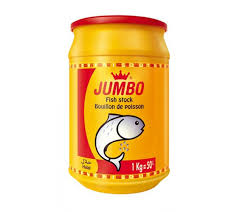
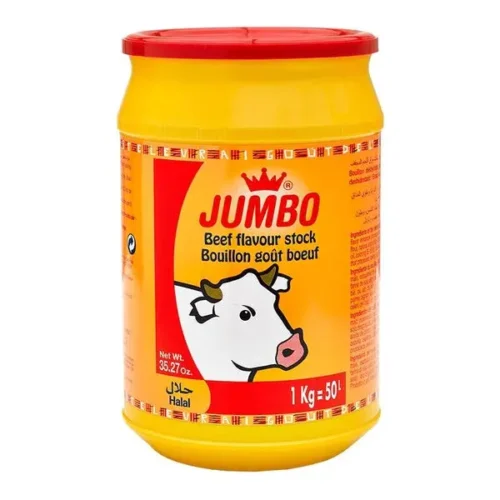
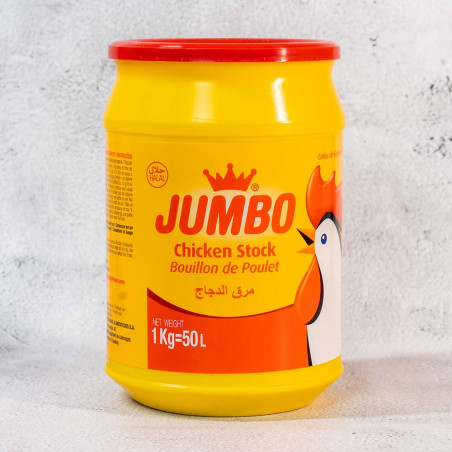
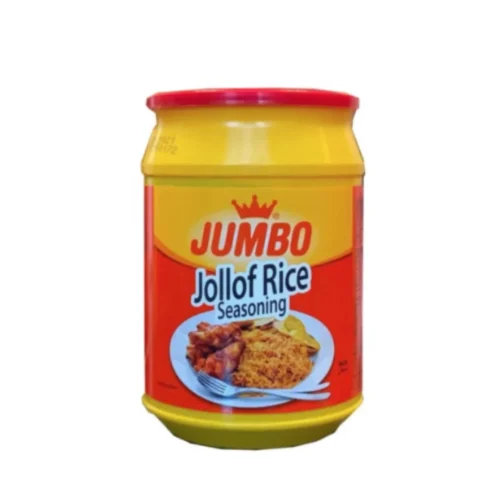
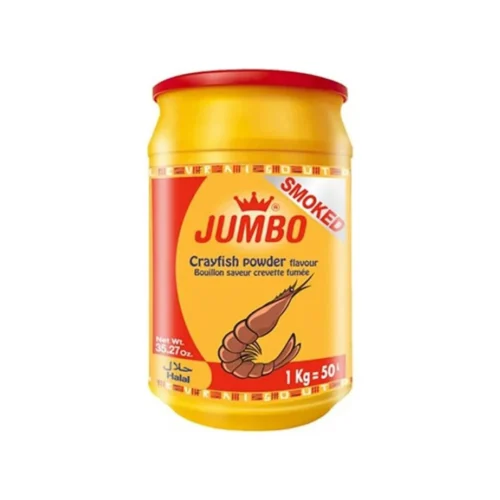
Pro Tip for UK Cooks: Sourcing these items, especially if you're cooking in bulk for a party, is easier and cheaper than you think. At My Africa Shop, you can grab large bags of parboiled rice and multi-packs of essential seasonings like Jumbo or Knorr, saving you money without ever compromising on authentic flavour.
Before we move on, here's a quick guide to help you pick the best of the best when you're shopping.
Essential Jollof Ingredient Sourcing Guide
This table breaks down what to look for to ensure you're starting with the highest quality ingredients for a truly authentic pot of Jollof.
| Ingredient | What To Look For | Pro Sourcing Tip |
|---|---|---|
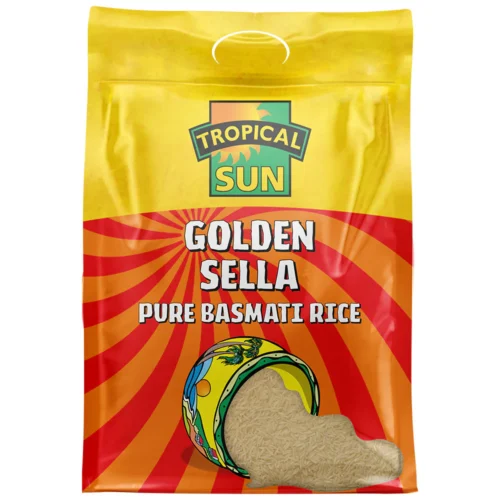
| Long-Grain Parboiled Rice | Firm, separate grains. Avoid soft, starchy varieties that get mushy. | Look for brands like Golden Sella or Tolly Boy. Buying in 5kg or 10kg bags is much more cost-effective. |
| Plum Tomatoes | Deep red colour, firm to the touch. Avoid watery or pale tomatoes. | Tinned plum tomatoes (like Mutti or Cirio) are a great, consistent alternative if fresh ones aren't in season. |
| Red Bell Peppers | Bright, vibrant red with smooth, taut skin. This means maximum sweetness. | Check your local market for better prices on fresh produce, or buy frozen chopped peppers to save time. |
| Scotch Bonnets | Look for firm, shiny skin. Colour can range from green to yellow to red. | A little goes a long way! You can freeze them whole and grate them from frozen directly into your stew base. |
| Tomato Purée | Double-concentrated paste for the deepest flavour and colour. | Squeezy tubes are great for small batches, but tins offer better value for larger pots. |
Getting these core components right is more than half the battle won.
Essential Kitchen Equipment
You don’t need a fancy, professional kitchen, but having a few key pieces of equipment will make your Jollof journey so much smoother and give you far better results.
Your essential Jollof toolkit includes:
- A Powerful Blender: You need this to get a silky-smooth pepper base. A grainy base is a one-way ticket to a disappointing texture in your final dish.
- A Large, Heavy-Bottomed Pot or Dutch Oven: This might just be the most important tool of all. A heavy base distributes heat evenly, which stops the bottom from burning before the rice on top is cooked. It's also the secret to developing that legendary "bottom-pot" smoky flavour.
- Airtight Lid and Foil: Trapping steam is the magic trick for perfectly cooked rice. You'll use a tight-fitting lid and a layer of foil to make sure no steam escapes. This allows the rice to cook gently and evenly all the way through.
With these ingredients and tools ready to go, you are perfectly set up to start cooking, confident you have everything you need for a truly unforgettable Jollof rice.
The Step-By-Step Jollof Cooking Method
Alright, this is where the magic happens. You’ve got your ingredients laid out and your tools are ready to go. Now, we build the layers of flavour that make for an unforgettable Jollof rice. We'll take it stage by stage, making sure every single step contributes to that perfect, party-style finish.
Making proper Jollof is less about following rigid rules and more about understanding the why behind each technique. Once you grasp why you need to fry the tomato purée or why trapping the steam is so important, you’ll go from just following a recipe to creating a masterpiece.
This little guide breaks the whole journey down into its three core parts: creating that flavour-packed base, getting the rice right, and using the right tools to bring it all home.

As you can see, nailing each stage before moving on is the secret to a flawless result.
Creating The Perfect Pepper Base
The heart and soul of any great Jollof is its stew base, a vibrant, flavourful blend often called 'obe ata'. Getting this right is completely non-negotiable.
Start by tossing your roughly chopped plum tomatoes, red bell peppers, onions, and scotch bonnets into a powerful blender. Add just a splash of water—only enough to get the blades spinning—and blitz it all until you have a mixture that's completely smooth. A silky base at this stage is what saves you from grainy rice later on, so don’t rush this bit.
Building A Deep Flavour Foundation
Now, it’s time to cook that base. Get your heavy-bottomed pot on medium heat and pour in the vegetable oil. Once it’s shimmering, tip in your finely chopped onions and sauté them for about three minutes until they’re soft and translucent. This is your first layer of aromatic flavour.
Next up is a step you absolutely cannot skip. Add your tomato purée to the pot. Stir it around and let it fry for a good 5-7 minutes. You're watching for two things: the colour will deepen to a rich, dark red, and the oil will start to separate from the paste. This process cooks out the raw, acidic tang of the purée, which is the number one cause of sour-tasting Jollof.
So many recipes rush this part, but it's the single most important technique for getting that deep, sweet, and savoury flavour profile. Skip this, and your Jollof will have a sharp, unpleasant tang. Trust me.
Once the purée is properly fried, pour in your blended pepper mix. Be careful here—it will definitely splatter! Pop a lid on halfway and let the mixture simmer down, giving it a stir every so often. You need to let it cook until the sauce has reduced by about a third and you see the oil rising to the surface again. This is pure, concentrated flavour.
Seasoning The Stew And Preparing The Rice
With your stew base perfectly reduced, it's time to turn it into a seasoned broth. Stir in your curry powder, dried thyme, and crumbled stock cubes. Drop in the bay leaves and pour in your chicken or beef stock (or water). Give it all a really good stir and bring it up to a rolling boil.
While that’s happening, get your rice ready. Wash your long-grain parboiled rice under cold running water, using your hands to move the grains around. Keep going until the water runs completely clear. This crucial step removes the excess surface starch, which is what causes mushy, clumpy Jollof. Drain it well in a sieve.
Cooking The Rice To Fluffy Perfection
As soon as your stew is boiling furiously, carefully tip in the washed and drained rice. Stir it all together until every last grain is coated in that gorgeous red sauce. This is key for even cooking and flavour.
The moment the mixture comes back to a boil, turn the heat right down to the lowest possible setting. This is so important for stopping the bottom from burning before the top has a chance to cook. We're steaming the rice now, not boiling it.
To do this, you need to trap all the steam. Place a layer of foil tightly over the pot, and then press the lid on firmly over the foil to create a tight seal. This forces the rice to cook gently in all that flavourful steam. Leave it completely alone for 25-30 minutes. Whatever you do, resist the urge to peek!
After the time is up, carefully take off the lid and foil. All the liquid should be gone. Use a fork to gently fluff the grains from the bottom of the pot. Don't panic if you feel a slight crust forming at the bottom—that’s the start of the famous 'bottom-pot' smokiness that everyone loves about party Jollof. For a deeper look into getting these flavours just right, check out our complete guide to Nigerian spices and seasonings.
If the rice still feels a little hard, add a tiny splash of water, seal it all back up, and let it steam for another 5-10 minutes. And there you have it—perfectly cooked, fluffy, and delicious Jollof rice, ready to serve.
A Tale of Two Jollofs: Nigerian vs. Ghanaian
The moment you bring up a "jollof rice recipe," you’re wading into one of the most passionate (and fun!) culinary rivalries on the planet. The great "Jollof Wars," especially between Nigeria and Ghana, aren't about who's right or wrong. They’re a full-blown celebration of delicious diversity. Each nation has stamped its own identity on this iconic dish, leading to distinct versions that are loved with fierce loyalty.
To truly get jollof, you need to understand these differences. While the basic idea is the same—rice cooked in a spiced tomato and pepper stew—the specific type of rice, the aromatics, and the cooking methods create wonderfully different results. This friendly competition has actually helped push jollof onto the world stage.
The debate itself shows you just how important this meal is to cultural identity. It's a staple. In fact, research shows that jollof rice accounts for 13.2% of all rice dishes eaten in West Africa, second only to plain white rice and stew. You can dive deeper into the data by checking out the full study on West African food consumption.
The Heart Of Nigerian Jollof
Classic Nigerian jollof, the kind you’ll find at every bustling party, is all about two things: the rice and that signature smoky finish.
For purists, the choice of rice is everything. It has to be long-grain parboiled rice. No question. The grains are sturdy and can soak up all that rich, flavourful stew without turning to mush. This gives you that perfect final dish where every single grain is separate, fluffy, and beautifully coated in sauce.
But the real soul of Nigerian jollof is the 'bottom-pot' flavour. It's a subtle smokiness you get by letting the rice at the very bottom of the pot form a light crust. It’s a fine art, a delicate dance with the heat right at the end of cooking. This isn't a burnt taste; it's a deep, savoury aroma that works its way through the entire pot, giving it an authentic character that’s hard to fake.
The Nigerian Jollof Philosophy: It’s all about a deep, savoury flavour built from a well-fried stew base, the umami kick of seasonings, and sturdy parboiled rice that soaks it all up. The texture must be firm but tender, with that smokiness as the final, essential touch.
The Aromatic Flair Of Ghanaian Jollof
Pop over to Ghana, and you'll find a jollof that sings a different, more fragrant song. The Ghanaian style leans heavily into aromatic ingredients, often creating a spicier, more layered flavour.
The first thing you'll notice is the rice. Ghanaian cooks prefer fragrant long-grain varieties like Jasmine or Basmati. These grains are naturally perfumed and have a softer, fluffier texture once cooked. This choice alone completely changes the character of the dish, making it lighter than its Nigerian cousin.
The flavour profile is also distinct. The stew base for Ghanaian jollof often includes a bigger cast of aromatics, with ginger and garlic playing starring roles. Many recipes also call for a spoonful of shito—a hot black pepper sauce made with dried fish and prawns. This stuff adds an incredible layer of spicy, umami depth that is uniquely Ghanaian. Don't be surprised if it has more of a fiery kick, too!
Key Differences At A Glance
Look, they're both delicious, but they appeal to different cravings. Here’s a quick rundown of what sets them apart:
| Feature | Nigerian Jollof | Ghanaian Jollof |
|---|---|---|
| Rice Type | Long-grain parboiled rice | Jasmine or Basmati rice |
| Primary Flavour | Savoury, rich, subtly smoky | Aromatic, spicy, often umami-rich |
| Key Texture | Separate, firm, fluffy grains | Softer, lighter, more fragrant grains |
| Unique Additions | The 'bottom-pot' smoky crust | Shito (black pepper sauce), more ginger |
| Typical Colour | Deep, rich orange-red | Often a slightly brighter, more vibrant red |
At the end of the day, it all comes down to what you prefer. Are you in the mood for a smoky, savoury dish with firm rice, or do you want a spicier, aromatic version with a softer feel? The only real way to know is to try making both. Trust me, it’s a delicious journey worth taking.
How to Fix Common Jollof Rice Mistakes
Even the most experienced cooks have an off day, and let's be honest, Jollof rice has a mind of its own sometimes. But don’t throw in the towel just yet. A small hiccup doesn't spell disaster for your dinner. Most common Jollof problems are surprisingly simple to fix once you know the tricks.
Think of this as your culinary safety net. We'll walk through the most common pitfalls and give you clear, straightforward ways to rescue your dish and build your confidence for the next pot.
The Rice is Soggy or Mushy
You followed the recipe to a T, but instead of beautifully separate, fluffy grains, you're staring at a pot of soft, clumpy rice. This is hands-down the most common Jollof mishap, and it nearly always comes down to one thing: too much liquid.
Getting the liquid-to-rice ratio right is absolutely crucial. A classic mistake is adding too much stock or water at the start, forgetting that the pepper base itself is mostly water.
How to Fix It:
If you catch it early while there's still a lot of visible liquid, take the lid off immediately. Crank the heat up a bit and let that excess moisture steam away. Whatever you do, don't stir it too much—that'll just break up the delicate grains and make things worse.
If the rice is already soft, your best bet is to spread it out on a large baking tray. Let it sit and air-dry for about 10-15 minutes. This little trick helps some of the surface moisture evaporate and firms up the texture. It might not be perfect "party Jollof," but it's a massive improvement.
The Flavour is Bland or Flat
You take a spoonful, and it’s just… missing something. The taste is flat, one-dimensional, and doesn't have that deep, savoury punch you were dreaming of. This usually means the foundational flavours weren't given enough time to develop properly.
This often happens when the tomato purée isn't fried long enough (leaving it with a raw, sour taste) or when the seasonings haven't been layered in correctly.
How to Fix It:
- For a Quick Save: Whip up a "flavour bomb." In a separate little pan, fry a tablespoon of tomato purée in a bit of oil along with a crushed stock cube and a good sprinkle of curry powder and thyme until it's dark and fragrant. Gently fold this concentrated paste into your cooked rice.
- Add an Umami Boost: A dash of Maggi liquid seasoning or a sprinkle of ground crayfish can instantly lift the entire dish, adding a delicious savoury depth that might be missing.
Remember, great Jollof rice is built in layers. Frying the onions until sweet, cooking the tomato purée until it’s a deep, rich red, and letting the pepper mix reduce are non-negotiable steps for a truly flavourful pot.
Dealing with a Burnt Bottom
You smell it before you see it—that sharp, acrid scent of burnt rice. A scorched bottom can taint the whole pot if you're not careful. The culprit is almost always having the heat way too high during the final steaming stage.
Now, a little bit of a crust at the bottom (what we lovingly call the "bottom-pot" or "party rice") is actually a good thing! It’s what gives you that classic smoky flavour. The secret is learning to control it.
How to Fix It:
If it’s badly burnt, the number one rule is do not stir! Mixing it will spread that bitter, burnt taste through all the good rice. Instead, carefully scoop the fluffy rice from the top and middle into a clean bowl, leaving the burnt layer behind.
To stop it from happening next time, make sure you're using a pot with a heavy, thick base that distributes heat evenly. As soon as you add the rice, turn the heat down to the absolute lowest setting. Then, place a layer of foil over the pot before putting the lid on to create a super-tight seal. This steams the rice with gentle, trapped heat instead of aggressively boiling it from the bottom.
Serving, Storing, And Pairing Your Perfect Jollof

You’ve done it. You’ve cooked a magnificent pot of jollof rice. But the magic doesn't stop there. Now it’s time to turn it into an unforgettable meal. Presentation and pairings are what elevate this dish from a simple staple to a celebration on a plate. It's all about creating a beautiful balance of flavours and textures.
For the full experience, a few classic accompaniments are non-negotiable. Sweet, caramelised fried plantain (what we call dodo) is the perfect partner. Then you need a good protein, like smoky grilled chicken, beef suya, or some crispy fried fish. To cut through the richness, a side of creamy coleslaw or a simple Nigerian salad works wonders, adding a fresh, crunchy contrast.
Perfect Pairings And Storage Solutions
To really round out the meal, you have to think about the drinks. A chilled bottle of Malta Guinness or another classic malt beverage is a fantastic choice that complements the rich, savoury flavours beautifully. For more inspiration on what to serve at your next get-together, check out our guide on essential drinks for your African party.
Jollof is also surprisingly flexible from a nutritional standpoint. A standard 300-gram serving comes in at around 400 calories, but when you pair it with lean proteins like grilled chicken or fish and plenty of vegetables, it becomes a seriously well-rounded meal. This makes it a great option for balanced eating. You can learn more about the nutritional profile of jollof rice to see how it can fit into your own health goals.
Storing your leftovers couldn't be simpler.
- In the Fridge: Let the rice cool down completely before you pop it into an airtight container. It’ll stay fresh and tasty in the fridge for up to four days.
- In the Freezer: Jollof freezes brilliantly. I like to portion it out into freezer-safe bags or containers. That way, you have quick meals ready to go. It can be stored for up to three months.
My Pro Tip for Reheating: To bring your Jollof back to life, just sprinkle a tablespoon of water over the rice to add some moisture back in. Cover it and either microwave until it's piping hot or gently warm it on the hob over a low heat, stirring every so often. This little trick ensures your Jollof tastes just as fresh as the day you made it.
Got Questions About Jollof? I've Got Answers
Even the most seasoned Jollof pros run into a few questions now and then. Don't worry, it's all part of the process. I've gathered some of the most common queries I hear, with straightforward answers to get you back on track to that perfect pot.
Can I Use Basmati Rice For Nigerian Jollof?
Short answer: yes, you can. But you have to be careful. Classic Nigerian Jollof is almost always made with long-grain parboiled rice because it’s tough and can handle the long steaming process without turning to mush.
Basmati is a completely different beast. It's much softer, more fragrant, and cooks way faster. If you’re going to use it, you absolutely must reduce the amount of stock or water you add by about 20-25%. Keep a very close eye on it, because it can go from perfect to overcooked in a flash. The end result will be a lighter, fluffier texture, a bit more like Ghanaian Jollof, but still delicious in its own right.
How Do I Get That Famous Smoky Flavour At Home?
Ah, the "party Jollof" flavour! That iconic smoky taste comes from a very specific, controlled char at the bottom of the pot. It’s the secret everyone wants to know.
Here’s how you can recreate it in your own kitchen. Let the rice cook until it's about 90% done. Then, turn up the heat for the last 2-3 minutes of cooking, and whatever you do, don't stir. This will create that slightly burnt crust at the base. Immediately turn off the heat and let the pot sit, tightly covered, for another 10-15 minutes.
The magic happens while it rests. All that trapped steam picks up the smoky aroma from the bottom and distributes it through every single grain of rice. Just be careful not to cross the line from a beautiful char to a burnt, bitter mess.
My Jollof Rice Tastes Sour. What Did I Do Wrong?
This is a classic problem, and it almost always points to one thing: you didn't cook your tomato purée long enough. Raw tomato purée has a sharp, acidic tang that will ruin your entire pot if you don't fry it out properly.
This step is non-negotiable. You have to fry the purée in oil for at least 5-7 minutes, stirring constantly. You'll literally see it transform; it will darken to a deep, rich red colour, and the oil will start to separate from the paste. This process cooks out that raw, sour taste and builds the sweet, complex tomato foundation that is the heart and soul of good Jollof.
Ready to put these tips to the test? You can find all the authentic ingredients you need, from the perfect long-grain parboiled rice to the right seasonings, at My Africa Shop. We'll deliver everything you need straight to your door. Check out the full selection at myafricanshop.co.uk.
Authored using Outrank tool