
Soon stocks will run out
Dont miss this opportunity while supplies last.


Soon stocks will run out
Dont miss this opportunity while supplies last.

Bitter leaf benefits: A Wellness Guide to bitter leaf benefits

From Nigerian soups to British wellness teas, bitter leaf is so much more than a simple cooking green—it's a powerhouse of health benefits. Its power comes from a unique blend of natural compounds that support digestion, help manage blood sugar, and provide a strong antioxidant boost. This leafy green isn't just a food; it's a cornerstone of African heritage, loved for its distinctive flavour and time-tested medicinal properties.
What Is Bitter Leaf and Why Is It a Staple?
At first glance, Vernonia amygdalina, or bitter leaf, looks like any other leafy green you might find. But its intensely bitter taste tells you there's something special going on. That sharpness comes from a dense mix of phytochemicals—natural plant compounds that are the secret behind its incredible health benefits.
Think of these compounds, like flavonoids and alkaloids, as the plant's personal defence system. When we eat the leaf, our bodies get to borrow some of that protective power. It's why, for generations, bitter leaf has been a trusted staple in traditional African kitchens and medicine cabinets, long before the term "superfood" was ever coined.
A Journey from Tradition to Modern Wellness
The story of bitter leaf is a fascinating one, travelling from ancestral kitchens in West Africa all the way to health-conscious homes here in the UK. It’s the star ingredient in iconic dishes like Nigerian Bitter Leaf Soup (Ofe Onugbu), where its sharp taste is expertly mellowed to create a deep, savoury meal. But its uses go far beyond just one soup.
This plant’s journey shows just how versatile it is:
- In Traditional Medicine: For centuries, fresh bitter leaf juice has been used as a daily tonic to kick-start digestion and boost overall energy.
- In the Kitchen: It’s a foundational ingredient that brings a unique depth and complexity to stews and sauces, turning a simple meal into something truly nourishing.
- In Modern Health Circles: Today, people across the UK are catching on, adding it to smoothies and brewing it into teas to tap into its anti-inflammatory and antioxidant power.
Bitter leaf is the perfect example of ancient wisdom meeting modern science. Its long history as a wellness tool is now being backed up by its impressive nutritional profile, making it a must-have for anyone serious about natural health.
This shift from a regional favourite to a global health ingredient shows that people are looking for more than just flavour. We're eating for a purpose. As we dive deeper into the specific bitter leaf benefits in this guide, you’ll see exactly how this humble green has earned its place on the shelf.
The Science Behind Bitter Leaf's Health Advantages
That strong, bitter taste you get from bitter leaf isn't just for show. It’s a dead giveaway that the plant is packed with powerful compounds. All the stories you’ve heard about its health benefits aren't just folklore; they're backed by what's actually inside the leaf.
Think of that bitterness as a signpost pointing to all the good stuff—like alkaloids and flavonoids. When you eat bitter leaf, you're not just having a vegetable; you're taking in a whole cocktail of natural compounds that work with your body to support your health, from your gut to your cells.
This map shows just how central bitter leaf is to our heritage, our food, and our wellbeing.
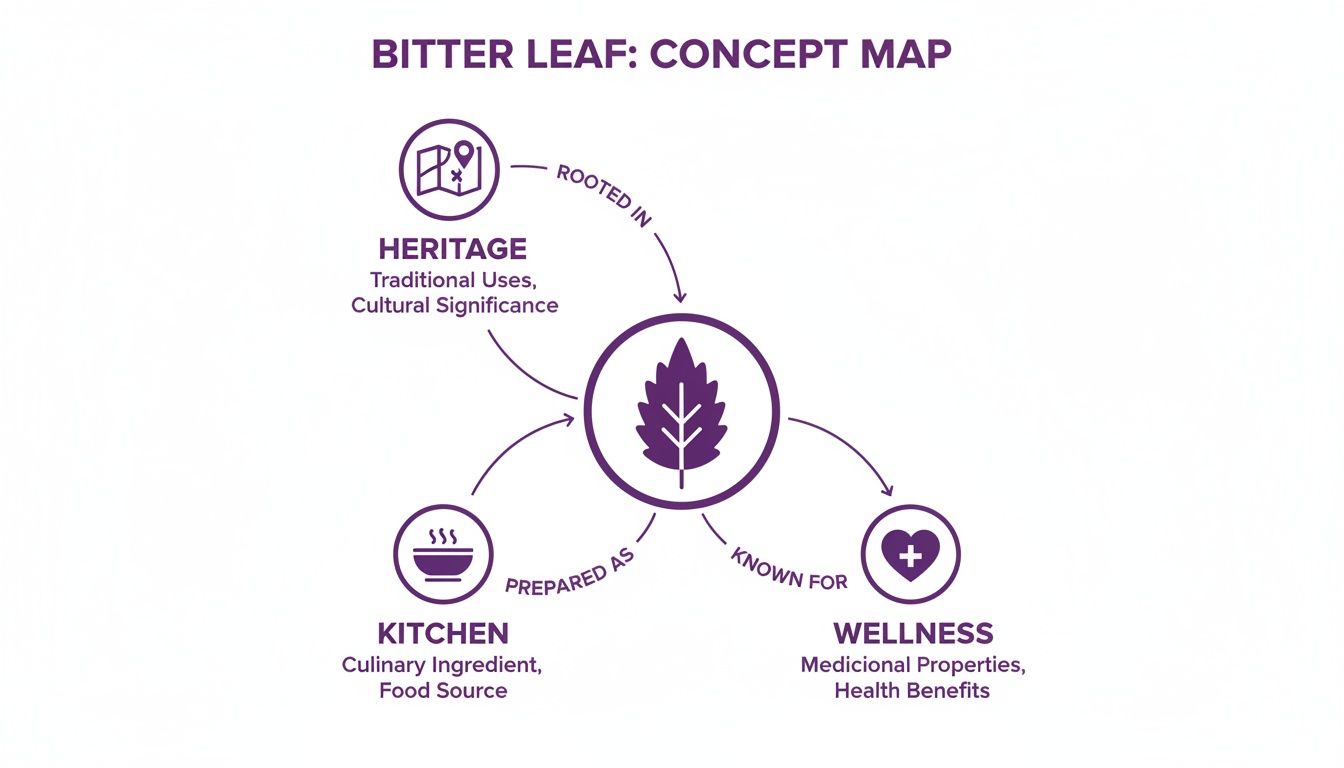
As you can see, it’s a plant that beautifully connects traditional health wisdom with the food we love to eat today.
A Natural Tune-Up for Your Digestive System
One of the first things many people notice is how good bitter leaf is for digestion. Its natural compounds help kickstart your digestive juices, giving your system a gentle nudge to get things moving. This can help you absorb more nutrients from your food and calm an upset stomach.
The bitterness itself actually triggers a response that gets your gut ready for the meal ahead, making everything run a bit more smoothly. It’s a simple, natural way to support your digestive health.
For the 1.4 million African diaspora households in the UK, bitter leaf is more than a vegetable; it’s a wellness staple. Its leaves contain high levels of alkaloids (139 mg/g) and flavonoids (180 mg/g), which are brilliant for digestive health. When prepared correctly, you can reduce antinutrients by 40-60%, making its essential minerals much easier for your body to use.
Antioxidant Powerhouse for Cellular Defence
Beyond digestion, bitter leaf is loaded with antioxidants. You can think of antioxidants as your cells' personal bodyguards. They protect them from damage caused by unstable molecules called free radicals, a process known as oxidative stress.
The flavonoids and polyphenols found in bitter leaf are especially good at neutralising these threats. By adding it to your meals, you’re giving your body a powerful tool to defend itself from the inside out. This protective quality is a huge reason why it’s so celebrated for promoting long-term wellbeing.
If you're interested in exploring other traditional bitter plants, you should check out the benefits of bitter kola as well. It offers its own unique set of advantages. This approach of using what nature provides is at the very heart of the wisdom surrounding bitter leaf.
Supporting Natural Blood Sugar Management
If there's one reason bitter leaf is a staple in so many wellness routines, it's this: its incredible ability to help with blood sugar. Many people who add this powerful green to their diet find it makes a real difference to their metabolic health.
Think of bitter leaf as a traffic controller for your bloodstream. When you eat, especially carbs, your body turns it into glucose (sugar) that floods your system. The compounds in bitter leaf step in to direct that traffic, helping to prevent a "sugar rush" that can leave you feeling drained later.
This "traffic control" works in a couple of clever ways. First, bitter leaf helps slow down how quickly your gut absorbs sugar from your food. This means the sugar enters your bloodstream at a much steadier pace, avoiding those sharp spikes and crashes.
Improving Your Body's Response to Sugar
Second, and maybe even more importantly, bitter leaf has been shown to improve insulin sensitivity. Insulin is the key that unlocks your cells, letting glucose in to be used for energy. When your cells start ignoring insulin's knock, sugar gets stuck in the blood.
The natural compounds in bitter leaf essentially help your cells hear insulin's signal loud and clear. This makes the whole process of managing blood sugar far more efficient and puts less stress on your body.
In the UK, where over 1.4 million people are of African heritage, bitter leaf is a trusted traditional food for those managing type 2 diabetes—a condition affecting 4.3 million adults here. Science is catching up to this wisdom. Research shows that bitter leaf extracts can block the enzymes that digest starch by up to 75%. One key study even found it significantly boosted insulin sensitivity in diabetic models. You can read the full research about these findings on PMC NCBI.
How This Applies to Your Diet
Adding bitter leaf to your meals, like in a hearty soup or stew, is a simple and effective way to tap into these benefits. It works hand-in-hand with other healthy ingredients to support balanced energy levels all day long.
- For Pre-diabetics: Including bitter leaf in your diet regularly can be a great way to help keep your blood sugar in a healthy range.
- For General Wellness: Even if blood sugar isn't your main concern, the stabilising effect can help you avoid that classic post-meal energy slump.
- For Traditional Diets: Bitter leaf pairs perfectly with other low-glycaemic African staples, helping you create a naturally balanced plate. You might also be interested in the health benefits of plantain, another key ingredient in many traditional dishes.
This is a perfect example of traditional knowledge and modern science coming together. It's why bitter leaf continues to be a go-to for so many communities looking for a natural, food-first approach to health.
Your Immune System's Natural Bodyguard
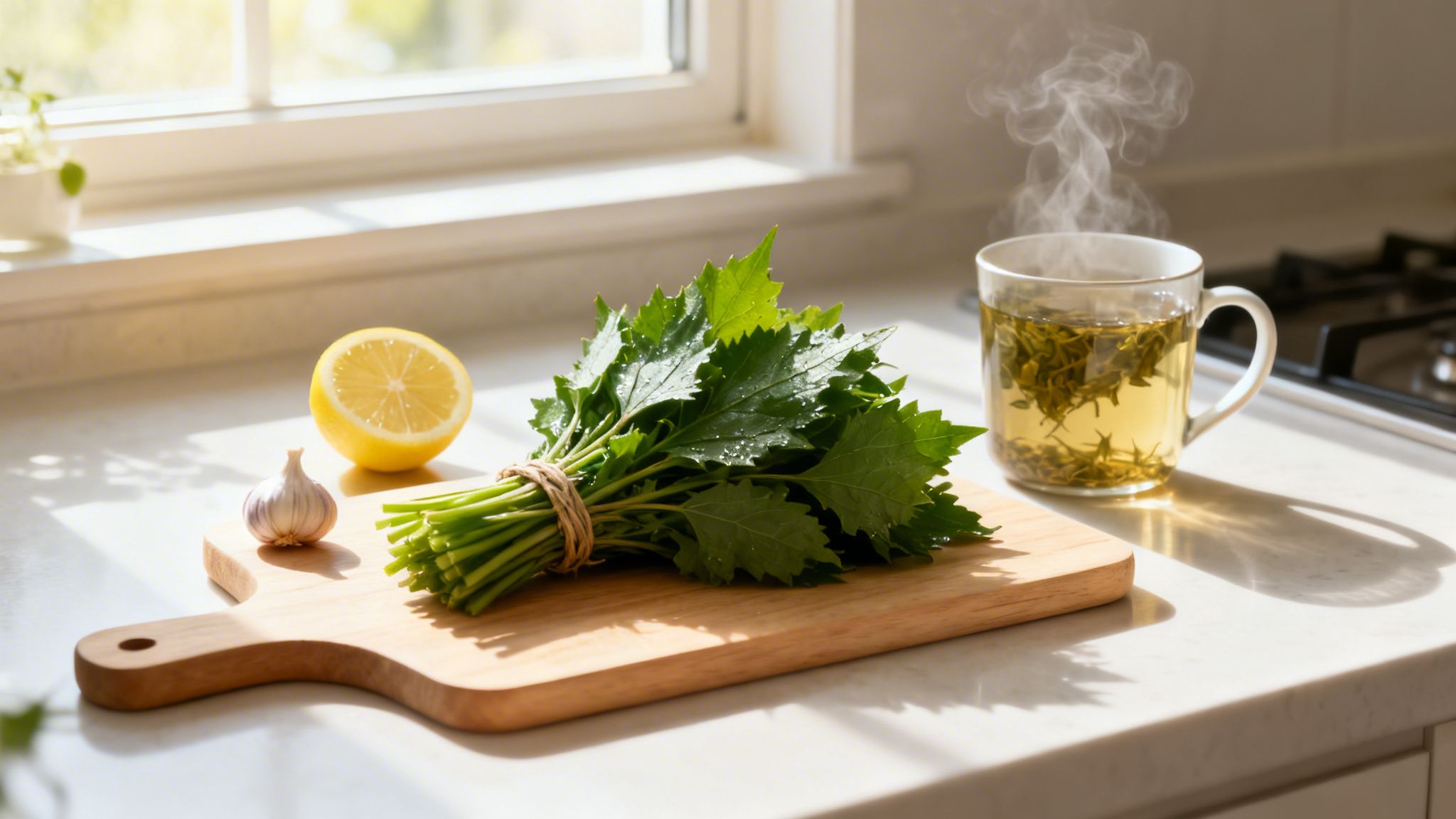
Bitter leaf doesn't just work wonders inside your body—it’s also a powerful protector in your kitchen. Thanks to its potent antibacterial and antifungal properties, this plant serves a dual role, safeguarding your health while also keeping your food safe.
Think of the compounds in bitter leaf as your personal bodyguards. Research shows they can put up a strong fight against common pathogens, offering a natural defence that our ancestors knew all about. For generations, bitter leaf juice has been a go-to remedy for warding off infections, and modern science is finally catching up to this traditional wisdom.
A Natural Preservative in Your Kitchen
That protective power translates directly to your cooking. Whether you're a home cook, a caterer, or planning a big family event, food safety is always front of mind. Adding bitter leaf to your soups and stews isn't just about adding flavour; it’s a smart way to help food stay fresher for longer by naturally slowing down spoilage.
This is a huge plus, especially here in the UK where food safety standards are rightly high. Bitter leaf’s ability to inhibit microbes gives households and food professionals a natural advantage.
With foodborne illnesses affecting an estimated 2.4 million people in the UK each year, the natural protective qualities of bitter leaf are more relevant than ever. Studies have shown its extracts are remarkably effective against pathogens like E. coli and S. aureus, sometimes even outperforming synthetic preservatives. For caterers and resellers handling some of the £450 million in yearly African grocery imports, this makes bitter leaf a brilliant choice for ensuring quality and safety. You can explore the science behind these findings on Taylor & Francis Online.
How It Keeps Your Food Safe
So, how does it work? The magic lies in the leaf's rich concentration of phytochemicals. These natural compounds get in the way of bacterial and fungal growth, creating a protective barrier for your food.
Here’s a simple breakdown:
- Stops Bacterial Growth: The alkaloids and flavonoids in the leaves make it difficult for harmful bacteria to multiply.
- Slows Down Spoilage: By keeping microbes in check, it helps maintain the freshness of your meals, which is particularly useful for big pots of soup or stew.
- A Clean, Natural Choice: It offers a fantastic, plant-based alternative to artificial preservatives, perfect for anyone focused on clean eating.
This is what makes bitter leaf such a standout ingredient. It offers profound health benefits for your body while also playing a practical role in keeping your kitchen hygienic—a perfect link between personal wellbeing and food safety.
How to Prepare and Enjoy Bitter Leaf at Home
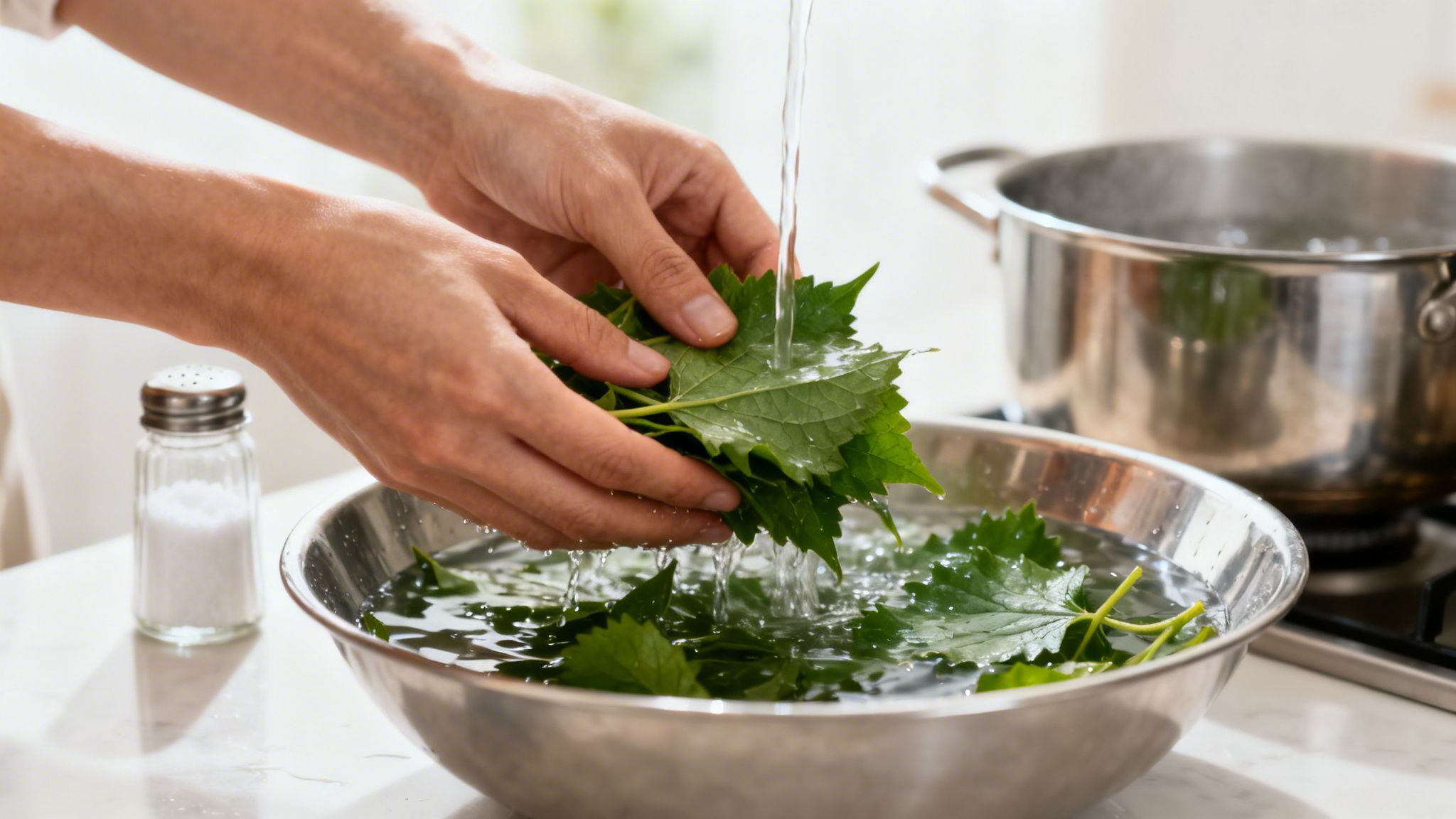
So, you’re ready to bring the powerful benefits of bitter leaf into your kitchen? Good choice. The secret to making it absolutely delicious is all in how you prepare it. Once you get the hang of managing its strong flavour, you’ll unlock a world of culinary possibilities.
The key is the traditional "washing" method. Think of it as taming the leaf's wild side. By washing and squeezing, you’re not getting rid of the bitterness entirely, but toning it down from overpowering to a pleasant, earthy note that enhances your dishes.
Taming the Bitterness: A Step-by-Step Guide
Remember, the goal isn't to wash away all the bitterness—that’s where so many of the good-for-you compounds live! You just want to dial it back enough so it complements the other flavours in your pot.
Here’s the classic way to wash fresh bitter leaves:
- Rinse Thoroughly: First things first, give the leaves a good rinse under cool running water to get rid of any dirt or sand.
- Add Salt and Squeeze: Pop the leaves into a big bowl and sprinkle them generously with coarse salt. The salt acts as a natural abrasive, helping to break down the leaves and draw out the intensely bitter juices.
- Rub and Squeeze: Now for the workout! Rub the leaves together vigorously between your palms. You’ll see a dark green, foamy liquid start to appear—that’s the bitterness leaving the plant.
- Rinse and Repeat: Rinse the leaves clean, squeeze out every last drop of water, and taste a tiny piece. If it’s still a bit too punchy for your liking, just repeat the salt-and-squeeze process until it’s perfect.
Pro Tip: In a hurry? You can blanch the leaves instead. Just drop them into a pot of boiling water for 1-2 minutes, then immediately transfer them to a bowl of ice-cold water. This shocks the leaves and helps cut the bitterness, but keep in mind you might lose some of the delicate, heat-sensitive vitamins in the process.
Easy Recipes to Get You Started
Now that your leaves are prepped and ready, it's time for the fun part: cooking. Bitter leaf is a star in traditional soups, but it also works surprisingly well in modern health drinks.
Classic Bitter Leaf Soup (Onugbu)
This iconic Nigerian soup is the best way to introduce yourself to bitter leaf. The prepared leaves are typically added near the end of cooking a rich, hearty broth made with cocoyam, palm oil, crayfish, and your choice of meats. The bitter leaf brings a beautiful earthy depth that cuts through the richness, creating a perfectly balanced dish.
Invigorating Bitter Leaf Smoothie
For a quick, modern health kick, try blending it into a smoothie. A little goes a very long way, so you only need a small amount.
- Ingredients: A small handful of washed bitter leaves, one sweet apple, half a cucumber, a good squeeze of lemon juice, and a cup of coconut water.
- Method: Whizz all the ingredients in a blender until completely smooth. The natural sweetness from the apple and the cool freshness of the cucumber balance the leaf's earthy notes perfectly.
Sourcing and Storing Your Bitter Leaf
Finding great-quality bitter leaf here in the UK has never been easier. You’ll usually find it sold in three different forms, each with its own perks:
- Fresh: Gives you the best, most authentic flavour and texture. Look for bright green leaves that are free from brown spots.
- Frozen: A fantastic time-saver. It often comes pre-washed and chopped, ready to go. It’s super convenient and still packs most of its nutritional punch.
- Dried: Ideal for stocking your pantry. You'll need to rehydrate it in water before using it, which gives it a slightly more concentrated flavour.
At My Africa Shop, we’ve got a range of options to fit your kitchen needs, whether you're planning a family dinner or buying in bulk for your catering business.
Sourcing High-Quality Bitter Leaf and Safe Use
Ready to bring bitter leaf into your kitchen? Getting your hands on good quality leaves and knowing how to use them safely is the first step. Here in the UK, you’ve got options.
You can find this versatile green in a few different forms, each with its own advantages. Fresh leaves give you the most vibrant flavour and pack the biggest punch. Frozen options are a lifesaver for convenience—they’re often pre-washed and ready to go straight into your pot. And for the pantry, you can't beat dried bitter leaf, which you can rehydrate for soups and stews whenever you need it.
It's also important to understand that there’s a big difference between using bitter leaf in your cooking and taking it as a health tonic. When you cook it in a soup or stew, the bitterness mellows out and becomes just one part of a delicious, balanced meal. But when you use it to make a concentrated juice or tea, its effects are much more powerful.
Safety First: If you're new to bitter leaf, especially as a tea, always follow the "start low, go slow" rule. A small amount is all you need at first to see how your body responds.
Important Safety Precautions
While bitter leaf is a staple for many, its potent compounds mean certain people should be a bit careful.
- Pregnancy and Breastfeeding: It's best to steer clear of bitter leaf during pregnancy or while breastfeeding unless you've got the all-clear from your doctor.
- Medication Interactions: Taking medication for diabetes or high blood pressure? Have a chat with your healthcare professional before adding bitter leaf to your diet. It can affect blood sugar and blood pressure levels.
Follow these simple guidelines, and you can safely explore all the fantastic benefits this plant has to offer. If you're curious about other traditional African botanicals, you might also enjoy our guide on Ghana's famous Alomo Bitters.
Your Bitter Leaf Questions, Answered
Got a few questions about bitter leaf? You're not alone. It’s a powerful ingredient, and it's smart to know how to get the best out of it. Here are some quick, straight-to-the-point answers to the questions we hear most often.
Is It Safe to Eat Bitter Leaf Raw?
While you can eat bitter leaf raw, we generally don’t recommend it. The flavour is incredibly strong and can be a bit much for most people. In traditional cooking, the leaves are always given a good wash, squeeze, or blanch before they go into soups and stews. This tames the bitterness and makes them delicious.
Some people do take a tiny bit of the raw juice for a wellness kick, but it’s seriously potent stuff and should be used with caution.
Does Cooking Reduce Its Health Benefits?
This is a great question, and one we get a lot. While a little bit of the heat-sensitive vitamins might be lost during cooking, the most important compounds—the alkaloids and flavonoids that do all the hard work—are tough and hold up well.
This means that even when simmered away in a delicious egusi soup, the leaf still packs a punch, offering those fantastic bitter leaf benefits for digestion and blood sugar support. So, go ahead and cook with it; you’re still getting the good stuff.
What Is the Difference Between Fresh, Dried, and Frozen?
Each type of bitter leaf has its place in the kitchen, and it’s good to know which one to reach for.
- Fresh: Nothing beats the vibrant flavour and texture of fresh leaves. It’s the top choice if you can get it.
- Dried: Perfect for stocking the pantry. The leaves need to be rehydrated, and they bring a deeper, more concentrated flavour to your dishes.
- Frozen: A brilliant time-saver. Frozen bitter leaf is often pre-washed and chopped, and it keeps most of its nutritional goodness intact.
At My Africa Shop, we make sure you have options, providing high-quality bitter leaf in the form that best suits your cooking style. You can explore our full selection and bring those authentic African flavours right to your doorstep by visiting us at https://myafricanshop.co.uk.