No products in the cart.
Free Shipping on All Orders Over £300
Soon stocks will run out
Dont miss this opportunity while supplies last.
available only:
88Malta Guinness Can – 330ml x24
available only:
36available only:
48available only:
49Soon stocks will run out
Dont miss this opportunity while supplies last.
10 Authentic Nigerian Breakfast Recipes To Try In 2026
Beyond the morning tea and toast lies a world of vibrant, hearty, and deeply satisfying breakfast traditions. Nigerian mornings are filled with the aroma of spices, the sizzle of plantain, and the comfort of warm pap, offering a delicious start to any day. This article moves past the usual and explores a curated collection of authentic nigerian breakfast recipes that can transform your daily routine.
Whether you're reconnecting with your heritage in the UK or discovering these incredible flavours for the first time, this guide provides everything you need for a successful culinary experience. We'll cover everything from classic pairings like Akamu and Moi Moi to hearty bowls of Tuwo and even a spiced Nkwobi breakfast bowl.
Inside, you will find clear, step-by-step instructions for each recipe, complete with prep times, serving suggestions, and essential storage tips. To make your cooking journey even smoother, we include specific notes for sourcing authentic ingredients in the UK. We'll point you towards key items you can find at My Africa Shop, such as premium garri, fragrant red palm oil, and Jumbo seasonings, ensuring genuine taste is delivered right to your door. Get ready to turn your breakfast from mundane to magnificent.
1. Akamu (Corn Pap) with Moi Moi
A quintessential Nigerian breakfast, Akamu (also known as Ogi or Pap) is a smooth, creamy porridge made from fermented corn. Its slightly sour tang perfectly complements a wide range of savoury accompaniments, making it a beloved start to the day across Nigeria. When paired with Moi Moi, a flavourful steamed pudding made from blended black-eyed peas, it transforms into a balanced and protein-rich meal that provides sustained energy. This combination is a staple in households from Lagos to Benin City and is a popular weekend special in Nigerian restaurants throughout the UK.

Why This Pairing Works
The light, smooth texture of the Akamu provides a wonderful contrast to the dense, richly spiced Moi Moi. It's a breakfast that feels both comforting and substantial, offering a fantastic introduction to classic Nigerian flavours. For those seeking authentic Nigerian breakfast recipes, this duo is an excellent and foundational choice.
Preparation and Serving Tips
- Achieve a Smooth Consistency: To avoid lumps, mix your pap powder with a small amount of cool water to form a smooth paste before adding hot water. Stirring constantly is key. Using a quality product like Gradio's Pap Ogi Koko ensures a finer, more consistent result.
- Time-Saving Tip: Prepare a large batch of Moi Moi the night before and refrigerate. In the morning, you can gently steam or microwave it while you quickly prepare the Akamu.
- Customise Your Flavour: Akamu is a versatile base. Add sugar, honey, or a drizzle of evaporated milk for a richer, sweeter taste.
- Storage: Leftover Akamu can be stored in an airtight container in the refrigerator for up to three days. It may thicken upon cooling; simply add a splash of warm water and stir well when reheating.
2. Eba with Egg Soup
While often associated with lunch or dinner, Eba with Egg Soup is a hearty and surprisingly common breakfast choice, especially for those needing a substantial meal to power through a busy day. Eba, a staple food made from dried and grated cassava (garri), is formed into a smooth, dough-like ball. It is served with a simple yet deeply flavourful egg soup, typically a tomato and pepper-based stew with whisked eggs cooked directly into it. This combination is a frequent sight at street food stalls in Lagos, fuelling morning commuters, and is featured in UK Nigerian restaurants as an affordable and filling breakfast.
Why This Pairing Works
The mild, slightly tangy taste and dense texture of the Eba provide the perfect starchy base to soak up the rich, savoury egg soup. This meal offers an excellent balance of carbohydrates for energy and protein from the eggs, making it a complete and satisfying start to the day. It’s a fantastic example of how staple Nigerian ingredients are adapted for different meals, and it's one of the more robust Nigerian breakfast recipes you can try.
Preparation and Serving Tips
- Premium Garri is Key: For the best taste and a smooth, lump-free texture, use high-quality garri. The grain size and fermentation process make a significant difference.
- Soup Base First: To develop a deeper flavour and reduce the sourness of the tomatoes, pre-fry your tomato, pepper, and onion blend before adding stock and other seasonings.
- Authentic Flavour: Incorporate a spoonful of ground crayfish into your soup base for that unmistakable umami flavour found in authentic Nigerian cooking.
- Serving Technique: Pour boiling water over your garri in a bowl and mix vigorously with a wooden spatula until it forms a firm, smooth dough. Serve immediately with the freshly made soup.
- Storage: Garri should be kept in a cool, dry place in an airtight container to prevent it from absorbing moisture. The egg soup is best enjoyed fresh but can be refrigerated for up to two days and reheated gently.
3. Jollof Rice with Fried Plantains
While often associated with parties and celebrations, a hearty plate of Jollof Rice with fried plantains is a powerhouse breakfast that sets a vibrant tone for the day. Jollof rice is a flavourful one-pot dish where parboiled rice is simmered in a rich, spiced tomato and pepper sauce until every grain is infused with its distinctive taste and colour. Serving it for breakfast, as is common at Nigerian weddings and now in UK Jollof restaurants for brunch, transforms it into a substantial morning meal, with the sweet, caramelised plantains providing a perfect contrast to the savoury rice.

Why This Pairing Works
The delightful combination of sweet and savoury makes this one of the most satisfying Nigerian breakfast recipes. The soft, fluffy Jollof rice and the crispy-edged, tender plantains create a textural harmony that is both comforting and exciting. It's an energising meal that keeps you full and satisfied well into the afternoon.
Preparation and Serving Tips
- Perfect Rice Texture: Use a quality long-grain parboiled rice, as it holds its structure well and absorbs the sauce without becoming mushy.
- Authentic Flavour Base: For a truly traditional taste, blend fresh tomatoes and peppers for your sauce and incorporate a spoonful of red palm oil for that signature colour and flavour. You can find a detailed guide in our authentic Jollof Rice recipe.
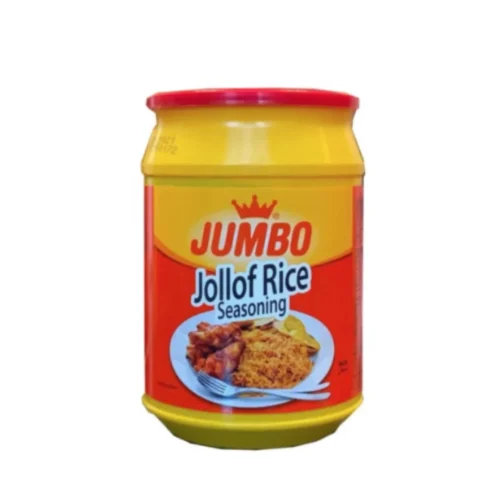
- Balanced Seasoning: Achieve that perfectly balanced, savoury Jollof flavour by using a trusted seasoning blend like Jumbo.
- Even Frying: Cut your plantains into uniform slices to ensure they cook evenly and have a consistent golden-brown finish. Fry them just before serving to enjoy them at their crispy best.
- Storage: Leftover Jollof rice can be stored in the fridge for up to 3 days. Reheat it in the microwave or on the stovetop with a splash of water to restore its moisture.
4. Waffle (Nigerian-Style) with Butter and Jam
A beloved modern addition to the breakfast table, Nigerian-style waffles are crispy, golden treats made from a simple batter of flour, eggs, milk, and sugar. Cooked in a hot waffle iron, they offer a delightful contrast of a crunchy exterior and a light, fluffy interior. They are a quick and satisfying meal, often enjoyed with a simple pat of butter and a spoonful of jam, or drizzled with condensed or evaporated milk for a richer flavour. This versatile dish is served in Nigerian bakeries and breakfast spots daily and is a popular feature on weekend brunch menus in Nigerian restaurants across the UK.
Why This Pairing Works
The simplicity of the waffle makes it a perfect canvas for a variety of toppings, from classic butter and jam to more decadent choices like chocolate sauce or fresh fruit. It's a quick, crowd-pleasing option that feels like a special treat, making it an excellent choice for family breakfasts or when you need a fast but impressive meal. It's a fantastic example of how Western dishes are adapted into unique Nigerian breakfast recipes.
Preparation and Serving Tips
- Achieve a Light Batter: Use good-quality eggs and milk to create a light and airy batter. For that distinct Nigerian richness, consider using evaporated milk instead of fresh milk.
- Prevent Sticking: Ensure your waffle iron is thoroughly preheated before adding the batter. Brush the plates with a neutral oil or melted butter to guarantee the waffles release easily and have a golden-brown finish.
- Add Flavour: A pinch of vanilla extract or nutmeg in the batter can elevate the flavour profile, giving it a warm, aromatic quality.
- Serve Fresh: Waffles are best served immediately while still warm and crispy. While the batter can be made ahead and refrigerated, always cook them just before serving for the best texture.
5. Amala with Okra Soup
While often enjoyed for lunch or dinner, Amala with a rich Okra Soup (known as Ila Alasepo) is a powerhouse breakfast in southwestern Nigeria, particularly among the Yoruba people. Amala is a smooth, pliable dough, or 'swallow', made from yam, cassava, or plantain flour, with a distinctive dark colour and earthy flavour. When served with a hearty okra soup teeming with fish, meat, and assorted spices, it becomes a deeply satisfying and nutrient-dense meal to start the day. This combination is a breakfast feature for important family occasions and a speciality in Nigerian restaurants across the UK.

Why This Pairing Works
The subtle, slightly tangy taste of the Amala provides the perfect canvas for the complex, savoury flavours of the okra soup. Its smooth texture contrasts beautifully with the viscosity of the soup and the chunks of protein. For those looking for protein-and-vegetable-packed Nigerian breakfast recipes that provide lasting energy, this traditional meal is an excellent choice.
Preparation and Serving Tips
- Flawless Amala: To prevent lumps, bring water to a rolling boil before gradually adding the yam flour. Stir vigorously and continuously with a wooden spoon until a smooth, firm dough forms.
- Boost the Flavour: For an authentic umami kick in your okra soup, add a generous spoonful of ground crayfish towards the end of cooking.
- Fresh or Frozen: While fresh okra is ideal for the best texture, high-quality frozen okra is a convenient and perfectly acceptable alternative for those in the UK.
- Soup Base: Creating a flavourful foundation is crucial. Pre-frying a blend of tomatoes, peppers, and onions before adding the okra will significantly deepen the taste of your soup.
6. Tuwo (Pap Rice Porridge) with Fried Dough Balls (Puff Puff)
Tuwo, a creamy and smooth rice porridge, offers a wonderfully comforting start to the day. Made from rice flour or finely blended cooked rice, it is often enriched with a splash of milk or butter for extra richness. When served alongside the iconic Puff Puff, sweet and airy deep-fried dough balls, the meal becomes a delightful play on textures and flavours. This combination is a nostalgic breakfast for many Nigerians, reminiscent of school days, and remains a popular morning meal sold by street vendors in cities like Abuja and Kano. UK Nigerian households often continue this tradition, especially for a special weekend breakfast.
Why This Pairing Works
The silky, mild flavour of the Tuwo beautifully balances the sweet, crispy-on-the-outside, chewy-on-the-inside texture of the Puff Puff. It is a hearty and satisfying meal that delivers both comfort and a touch of indulgence, making it one of the most cherished Nigerian breakfast recipes. The contrast between the warm porridge and the sweet fried dough is simply irresistible.
Preparation and Serving Tips
- Achieve a Silky Porridge: For a consistently smooth Tuwo, dissolve your rice flour in cold water first to create a paste before introducing it to hot water. Cook it slowly over low heat, stirring constantly to prevent any lumps from forming.
- Time-Saving Tip: The Puff Puff dough develops a better flavour and texture when allowed to rest. Prepare the dough the night before and let it prove slowly in the refrigerator for a quick frying session in the morning.
- Enrich the Flavour: Add a splash of evaporated milk to your Tuwo during the last few minutes of cooking for a creamier, more decadent taste.
- Perfect Puff Puff: Test your oil temperature before frying; it should be around 180°C. If it's too hot, the outside will burn before the inside is cooked. If it's too cool, the dough will absorb too much oil and become greasy.
7. Nkwobi (Spiced Goat Meat Breakfast Bowl)
Nkwobi is a traditional Igbo delicacy featuring tender pieces of goat meat cooked in a rich, creamy blend of palm oil and potent spices. While traditionally an evening meal, it is increasingly enjoyed as a luxurious and protein-packed breakfast or weekend brunch item, especially for special occasions. Its intense, savoury flavour profile makes it one of the most memorable Nigerian breakfast recipes for those seeking a truly indulgent start to the day. This premium dish is often served at celebratory family breakfasts in Nigeria and is a popular feature on upscale brunch menus in Nigerian restaurants across the UK.
Why This Pairing Works
The robust, spicy, and deeply savoury nature of Nkwobi makes it a stand-alone star. It’s a meal that is both warming and incredibly satisfying, providing a substantial protein hit that keeps you energised. Serving it for breakfast transforms a regular morning into a special event, offering a taste of celebratory Nigerian cuisine.
Preparation and Serving Tips
- Tender Meat is Key: The secret to great Nkwobi is incredibly tender meat. Boil your goat meat or beef chunks with onion and seasoning until they are very soft before adding them to the palm oil sauce.
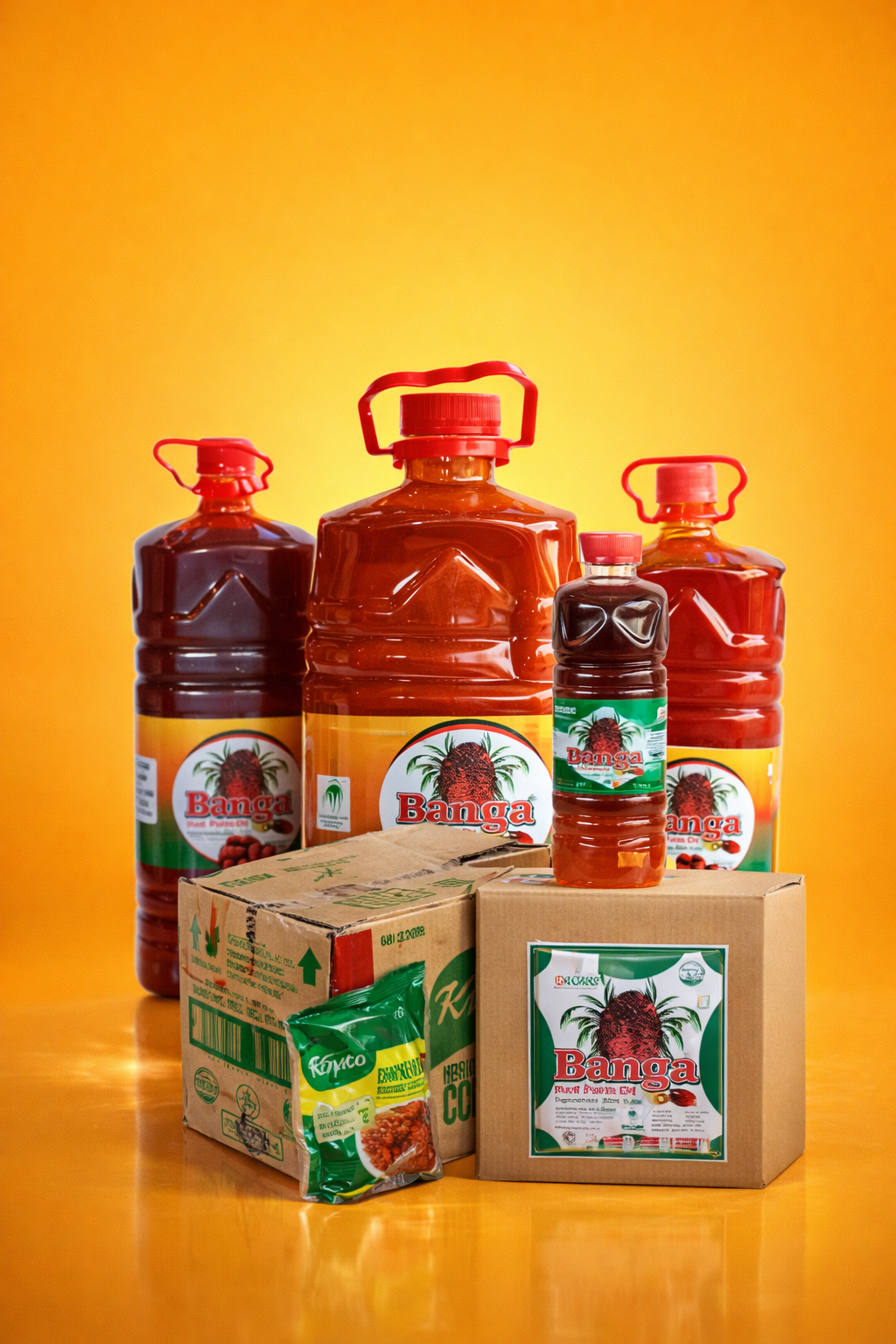
- Authentic Colour and Flavour: For that signature vibrant orange hue and authentic taste, a quality red palm oil is essential. Using a product like My Africa Shop’s Red Palm Oil will give you the perfect base.
- Layer Your Spices: Add ground crayfish and a pinch of black pepper towards the end of cooking to preserve their distinct aromas. Fresh or brined uziza leaves will add a final, peppery flourish.
- Serving Suggestion: Balance the richness of the Nkwobi by serving it with fresh, crisp accompaniments like sliced cucumbers, tomatoes, or raw onions on the side.
8. Corn Porridge (Cornmeal Pap) with Boiled Eggs
A close cousin to Akamu but typically made from fine yellow or white cornmeal, this smooth corn porridge is a wonderfully quick and comforting breakfast. It's prepared by cooking cornmeal with milk and water, often sweetened with sugar and lightly spiced with cinnamon or vanilla. The addition of simple boiled eggs on the side introduces a much-needed protein component, creating a balanced and nourishing meal. This combination is a preferred weekday breakfast in many Nigerian households, both at home and abroad in the UK, due to its simplicity and satisfying nature.
Why This Pairing Works
The creamy, sweet simplicity of the corn porridge offers a delightful contrast to the savoury, firm texture of the boiled eggs. It’s a straightforward yet complete meal that provides both carbohydrates for immediate energy and protein for sustained fullness. This makes it an excellent choice for a quick start on busy mornings and a great introductory option for those exploring Nigerian breakfast recipes.
Preparation and Serving Tips
- Lump-Free Porridge: To guarantee a smooth texture, always mix your cornmeal with a small amount of cold water or milk to form a paste before adding it to the pot of hot liquid. Continuous stirring is essential as it thickens.
- Boost the Creaminess: For an even richer and creamier result, use evaporated milk in place of, or in addition to, regular milk. This adds a classic Nigerian touch to the porridge's flavour profile.
- Add Aromatic Warmth: A pinch of nutmeg or a dash of vanilla extract stirred in at the end of cooking will add a beautiful, aromatic depth to the meal.
- Prevent Skin Formation: Once the porridge is cooked to your desired consistency, cover the pot immediately. This traps the steam and prevents a skin from forming on the surface as it cools.
9. Bread and Akamu (Bread with Corn Pap)
A simple, practical, and incredibly popular Nigerian breakfast, this combination involves dipping soft bread into warm, creamy Akamu. It's an affordable and comforting meal that’s ready in minutes, making it a go-to for busy mornings. From schoolchildren getting a quick, filling meal before school to office workers in Lagos needing a fast start, this pairing is a fundamental part of daily life. Its appeal has also travelled to the UK, where budget-conscious Nigerian households continue the tradition.
Why This Pairing Works
The genius of this breakfast lies in its simplicity and contrasting textures. The soft, absorbent bread soaks up the smooth, slightly tangy pap, creating a satisfying mouthful that is both filling and easy to eat. It’s an accessible meal that requires minimal cooking, making it one of the most practical Nigerian breakfast recipes for anyone short on time.
Preparation and Serving Tips
- Premium Pap Base: For the best flavour and a lump-free texture, begin with a high-quality corn flour. A smooth paste is essential before adding hot water.
- Keep Bread Fresh: Use your favourite type of sliced bread – white, brown, or wholemeal. Store it in an airtight container to maintain its softness.
- Quick Dip: Dip the bread into the Akamu briefly to soak up the flavour without it becoming overly saturated and falling apart.
- Enhance the Flavour: Customise your Akamu by adding sugar, honey, or a swirl of condensed milk for sweetness. For a richer, creamier texture without significant cost, a splash of evaporated milk works wonderfully.
- Boost the Protein: Serve with a side of boiled eggs to make the meal more substantial and balanced.
- Serve Immediately: This breakfast is best enjoyed while the Akamu is hot and at its creamiest consistency.
10. Pancakes (Nigerian-Style) with Condensed Milk and Plantain
A deliciously indulgent take on a global classic, Nigerian pancakes are a popular weekend treat. Thicker and fluffier than a crêpe but more tender than their American counterparts, they are made from a simple batter of flour, eggs, milk, and sugar. The true magic happens at the table, where they are served with sweet, creamy condensed milk for dipping and slices of perfectly fried plantain. This combination is a staple for special family breakfasts and is increasingly featured on the brunch menus of Nigerian restaurants across the UK.
Why This Pairing Works
The fluffy, slightly savoury pancake acts as the perfect canvas for the intense sweetness of the condensed milk and the caramelised flavour of the fried plantain. It’s a breakfast that feels celebratory and comforting, delivering a fantastic blend of sweet and savoury notes. For anyone looking to add a touch of indulgence to their list of Nigerian breakfast recipes, this is a must-try.
Preparation and Serving Tips
- Fluffy Texture Secret: Avoid overmixing the batter. A few small lumps are perfectly fine and contribute to a fluffier, more tender pancake. Let the batter rest for a few minutes before cooking.
- The Authentic Experience: For a truly authentic pairing, fry ripe plantain slices until they are golden brown and slightly caramelised. If you enjoy the crunchy texture, you might also appreciate trying to make your own plantain chips; you can discover how to prepare them here.
- Enhance the Flavour: A small dash of vanilla extract or a sprinkle of nutmeg in the batter can elevate the flavour profile beautifully.
- Perfect Dipping: Gently warm the condensed milk before serving to make it thinner and easier for dipping. Serve it in a small bowl alongside the pancake stack.
Comparison of 10 Nigerian Breakfast Recipes
| Dish | Preparation Complexity (🔄) | Resource Requirements | Speed / Efficiency (⚡) | Expected Outcomes (📊) | Ideal Use Cases (💡) | Key Advantages (⭐) |
|---|---|---|---|---|---|---|
| Akamu (Corn Pap) with Moi Moi | Low (akamu quick; moi moi requires steaming) | Fermented corn flour, beans, steamer/tins, pot | 10–60 min (akamu 10–15; moi moi 30–60), batchable | Creamy, easily digestible, protein-rich when paired | Family breakfasts, catering breakfast platters | Budget-friendly, filling, versatile pairings |
| Eba with Egg Soup | Low–Medium (simple shaping; soup cooking) | Garri, boiling water, eggs, tomatoes, pan | 5–20 min (eba immediate; soup 15–20), highly scalable | Starchy energy + protein balance; economical filling meal | Street food, mass catering, budget households | Extremely affordable, minimal skills, flexible proteins |
| Jollof Rice with Fried Plantains | Medium (timing and frying steps) | Parboiled rice, tomato base, spices, frying oil, pot/pan | 30–45 min, reheatable and scalable | Flavorful, visually appealing crowd-pleaser | Celebrations, catered brunches, showstopper menus | Scalable, high visual impact, versatile with proteins |
| Waffle (Nigerian-Style) with Butter & Jam | Low–Medium (equipment-dependent) | Flour, eggs, milk, sugar, waffle iron, toppings | 3–5 min per waffle; very fast but requires waffle iron | Crisp exterior, portable, high immediate appeal | Busy mornings, brunch stations, grab-and-go service | Fast, impressive presentation, batch-cookable |
| Amala with Okra Soup | High (skill and timing for texture) | Yam/cassava/plantain flour, okra, proteins, pot | 45–60 min; time-intensive but scalable | Nutrient-dense, balanced protein + veg meal | Traditional breakfasts, special occasions, caterers | Highly nutritious, authentic, satisfying |
| Tuwo (Rice Porridge) with Puff Puff | Medium (porridge simple; frying/proofing for puff puff) | Rice flour or cooked rice, yeast, flour, oil, fryer/pan | 20–40 min (depends on proofing); puff puff pre-prepable | Comforting, warm, child-friendly meal | Cold mornings, family breakfasts, street vending | Nostalgic, affordable, appeals to children |
| Nkwobi (Spiced Goat Meat) | High (long cook, specialized ingredients) | Goat/beef, red palm oil, ground crayfish, uziza, cookware | 1–2 hours; suitable for prep-ahead service | Rich, protein-heavy, luxurious brunch item | Upscale brunches, premium catering, special events | High-quality protein, impressive presentation, authentic |
| Corn Porridge (Cornmeal) with Boiled Eggs | Low | Fine cornmeal, milk/water, eggs, pot | 10–15 min; very quick and scalable | Gentle, nourishing, balanced with egg protein | Busy professionals, institutions, families | Fast, gentle on digestion, affordable |
| Bread and Akamu (Bread with Corn Pap) | Low | Corn flour, sliced bread, boiling water, optional eggs | 5–10 min; fastest option, minimal skill | Convenient, portable, quick satiating snack/meal | Students, commuters, budget breakfasts | Extremely affordable, no cooking skills required, portable |
| Pancakes (Nigerian-Style) with Condensed Milk & Plantain | Low–Medium | Flour, eggs, milk, pan/griddle, plantain, condensed milk | 3–5 min per pancake; moderate prep, reheat-friendly | Indulgent, celebratory brunch item | Weekend brunches, family gatherings, interactive stations | Fluffy, crowd-pleasing, adaptable toppings |
Bring Authentic Nigerian Flavours to Your Breakfast Table
This journey through the world of Nigerian breakfast recipes has hopefully illuminated the incredible diversity and richness that defines the start of a Nigerian day. We've explored everything from the comforting, smooth texture of Akamu paired with hearty Moi Moi, to the indulgent weekend treat of Jollof Rice with sweet fried plantains. Each recipe offers a unique window into the nation's culinary soul, demonstrating that breakfast is far more than a simple meal; it is a moment of connection, nourishment, and vibrant flavour.
The selection of dishes, including savoury options like Eba with Egg Soup and the uniquely spiced Nkwobi Breakfast Bowl, challenges the conventional British idea of breakfast. These meals are designed to be substantial, satisfying, and deeply flavourful, providing sustained energy for the day ahead. By mastering these recipes, you are not just learning to cook new food; you are adopting a new approach to your morning routine, one that prioritises a hearty, well-rounded start.
Key Takeaways for Your Culinary Journey
To truly recreate the authentic experience, remember these crucial points from our exploration of Nigerian breakfast recipes:
- Ingredient Quality is Paramount: The final taste of your Amala, the texture of your Akamu, and the spice balance in your Jolloidée of Jollof Rice all depend on sourcing authentic, high-quality ingredients. Using the correct yam flour, palm oil, or honey beans makes a noticeable difference.
- Preparation is Key: Many of these dishes, like Moi Moi or Akamu, benefit from preparation in advance. Soaking beans overnight or preparing your pap mix ahead of time can make your morning cooking process much smoother and more enjoyable.
- Don't Be Afraid to Customise: While we have provided authentic recipes, Nigerian cooking is famously adaptable. Feel free to adjust spice levels to your preference, add extra vegetables to your egg soup, or choose your favourite accompaniments for pancakes and pap. This is how you make these recipes your own.
Embracing these concepts will allow you to confidently bring the warmth and generosity of Nigerian hospitality to your own breakfast table. Sharing a platter of freshly fried plantain or a communal bowl of Eba and soup is an act of love and a wonderful way to introduce friends and family to the delights of West African cuisine. These are more than just recipes; they are a celebration of culture, community, and the simple joy of a truly good meal. Your mornings are about to get a whole lot more exciting.
Ready to fill your kitchen with the authentic aromas and tastes of Nigeria? My Africa Shop is your trusted one-stop online destination for all the essential ingredients mentioned in these recipes, delivered directly to your door across the UK. From premium yam flour and honey beans to the perfect spices for your Jollof, you can find everything you need to start your culinary adventure today. Explore our extensive collection and bring home the true flavour of Africa at My Africa Shop.