No products in the cart.
Free Shipping on All Orders Over £300
Soon stocks will run out
Dont miss this opportunity while supplies last.
available only:
88Malta Guinness Can – 330ml x24
available only:
36available only:
48available only:
49Soon stocks will run out
Dont miss this opportunity while supplies last.
8 Essential Cassava Flour Recipes For Authentic UK Kitchens in 2026
Cassava flour is a powerhouse ingredient, central to African and Caribbean culinary traditions and a game-changer for modern, gluten-free cooking. For the UK's vibrant diaspora and professional food community, mastering its use is key to creating authentic, delicious, and scalable dishes. This guide moves beyond the basics, offering a curated collection of eight essential cassava flour recipes, complete with professional tips, scaling advice for catering, and troubleshooting to ensure perfect results every time.
We will explore everything from the silkiest Fufu to innovative baked goods, demonstrating how this humble flour can elevate your culinary creations. Whether you are a home cook looking to perfect family favourites, a caterer scaling up for a large event, or a retailer stocking authentic ingredients, this article provides practical, actionable insights. Each recipe is designed with your needs in mind, offering clear instructions and substitution advice.
This collection is your go-to resource for making the most of this wonderfully adaptable ingredient. You'll find techniques for traditional staples and fresh ideas for new dishes, all designed to deliver genuine flavour and consistent quality. To get started with the highest quality ingredients, you can find authentic, finely milled cassava flour and complementary African staples directly from My Africa Shop, your trusted partner for genuine flavours delivered across the UK. Let's dive into the recipes that will become mainstays in your kitchen.
1. Cassava Flour Fufu
A cornerstone of West African cuisine, Fufu is traditionally a labour-intensive dish made by pounding starchy root vegetables. This modern twist using cassava flour provides a much-needed, convenient alternative without sacrificing the authentic taste and beloved elastic texture. It's one of the most essential cassava flour recipes, offering a quick way to prepare this staple swallow food, particularly popular in Nigerian, Ghanaian, and Cameroonian households across the UK.

The process involves mixing high-quality cassava flour with water over heat to form a smooth, pliable dough. Its neutral flavour profile makes it the perfect vehicle for a wide array of rich and flavourful soups, from hearty Nigerian Egusi to the aromatic Ghanaian Light Soup.
Why It's a Staple for Home Cooks and Caterers
Cassava flour fufu is a game-changer for weekday meals and large-scale catering alike. For instance, many Nigerian families in London rely on it for a quick mid-week dinner, while Ghanaian restaurants serve it as a reliable, consistent accompaniment to their signature soups. Event caterers find it invaluable for preparing food for large African-themed parties, as it can be made in batches and kept warm without losing its quality.
Pro Tip for Professionals: When catering for large numbers, prepare the fufu in manageable batches using a large stockpot. Once cooked, transfer the batches into a warm bain-marie to maintain the perfect temperature and texture until serving. This prevents the fufu from becoming cold and hard.
Key Preparation Tips for Perfect Fufu
- Start with a 1:1 Ratio: Begin with a one-to-one ratio of cassava flour to cold water. Whisk them together in a pot before applying heat to create a smooth, lump-free paste. You can adjust with more hot water later to achieve your desired consistency.
- Stir Continuously: Use a sturdy wooden spoon or spatula to stir the mixture constantly as it heats up. This is the most critical step to prevent lumps and ensure an even, smooth texture.
- Season While Hot: Add a pinch of salt and a knob of butter or margarine while the fufu is still hot and being mixed. The heat helps to incorporate them fully, adding a subtle richness and flavour.
This fufu pairs exceptionally well with soups seasoned with authentic spices. To master the art of flavouring your stews, you can explore this complete guide to Nigerian spices and seasonings for inspiration.
Watch: How to Make Smooth Cassava Fufu
2. Cassava Flour Pancakes (Cassava Cakes)
This delightful breakfast innovation merges traditional African ingredients with contemporary breakfast trends, creating fluffy, satisfying pancakes that are naturally gluten-free. This recipe uses cassava flour, eggs, and milk to create a batter that cooks into light, airy pancakes, sometimes known as cassava cakes. It’s a popular dish in Nigerian and Ghanaian homes, offering a versatile meal that can be enjoyed sweet or savoury.

The subtle, earthy sweetness of cassava flour makes these pancakes a perfect canvas for various toppings, from classic honey and fresh fruit to more adventurous savoury accompaniments. As one of the more modern cassava flour recipes, it has gained traction thanks to African diaspora food bloggers and the growing demand for grain-free alternatives in the health food scene.
Why It's a Staple for Home Cooks and Caterers
Cassava flour pancakes are a fantastic option for families and food businesses catering to diverse dietary needs. For example, South London breakfast cafes are adding 'African fusion' pancakes to their menus to attract customers seeking unique, gluten-free options. Event caterers also find them ideal for corporate breakfasts with an African theme, as they can be prepared in large batches and served with a variety of toppings to please every palate.
Pro Tip for Professionals: For a consistently fluffy texture when catering, make your batter in advance but don't cook it until needed. Keep the batter refrigerated for up to 24 hours. Just before cooking, give it a quick whisk to reincorporate the ingredients, ensuring every pancake is as light as the first.
Key Preparation Tips for Perfect Pancakes
- Combine for Lightness: For an even lighter, fluffier texture, mix cassava flour with a small amount of tapioca starch. A ratio of 60% cassava flour to 40% tapioca starch works well to achieve a delicate crumb.
- Let the Batter Rest: After mixing, allow the batter to sit for at least 5-10 minutes. This gives the cassava flour time to fully absorb the liquid, resulting in a smoother consistency and preventing a grainy texture.
- Create Savoury Versions: Don't limit yourself to sweet pancakes. For a savoury twist perfect for brunch, add finely chopped scallions, a pinch of red pepper flakes, and even a spoonful of ground crayfish to the batter for a distinctively West African flavour.
- Control the Heat: Cook the pancakes on a medium heat. Cassava flour can brown quickly, so a lower temperature ensures they cook through evenly without burning on the outside while remaining raw inside.
3. Cassava Flour Bread (Pão de Queijo Alternative)
This African adaptation of the famous Brazilian cheese bread, Pão de Queijo, offers a delightful gluten-free alternative that has gained a following in UK kitchens. Cassava flour’s unique starch properties create an irresistible texture: a perfectly crispy crust gives way to a light, airy, and wonderfully chewy interior. Studded with cheese, these bread rolls are a savoury treat and stand out as one of the most versatile cassava flour recipes.
The recipe involves creating a simple batter that doesn't require any kneading or gluten development, making it incredibly straightforward. Its cheesy, savoury flavour makes it a fantastic accompaniment to soups and stews, a standalone snack, or a unique addition to a bread basket.
Why It's a Staple for Home Cooks and Caterers
Cassava bread has become a favourite for both home bakers and professional food businesses across the UK. Artisan bakeries in London, for instance, are increasingly offering these gluten-free rolls alongside traditional loaves to cater to health-conscious consumers. Many African restaurants now serve them as a side dish, and UK-based meal-prep services include them in their gluten-free menu options, highlighting their growing appeal.
Pro Tip for Professionals: For bulk production, prepare large batches of the batter and freeze unbaked rolls on trays. Once frozen solid, transfer them to airtight bags. You can then bake them directly from frozen for on-demand service, simply adding about five extra minutes to the baking time. This ensures maximum freshness with minimal prep.
Key Preparation Tips for Perfect Cassava Bread
- Add Tapioca Starch: For an even better structure and a more pronounced chewiness, substitute 20-30% of the cassava flour with tapioca starch. This small change makes a noticeable difference to the final texture.
- Use Room-Temperature Ingredients: Ensure your eggs and milk are at room temperature before mixing. This helps the batter emulsify properly, creating a smooth consistency and preventing it from splitting.
- Pipe for Perfection: To get uniform rolls and prevent sticking, pipe the batter directly onto a baking tray lined with parchment paper. This is much cleaner and more efficient than spooning.
- Infuse with Flavour: Elevate the taste by incorporating authentic African ingredients. Try adding grated Nigerian Wara cheese for a mild, tangy flavour, or include finely flaked smoked fish for a savoury, smoky depth that pairs beautifully with the cheese.
These rolls are an excellent way to introduce a gluten-free option to your menu that is still deeply rooted in familiar, comforting flavours. Explore our selection of high-quality cassava flour to get started on this fantastic recipe.
4. Cassava Flour Porridge (Eba Variant)
A comforting and versatile dish, cassava flour porridge is a softer, creamier take on the more structured eba. This warming porridge is made by mixing cassava flour with hot water or broth to create a smooth, thick consistency, perfect for a nourishing breakfast or a light, satisfying dinner. It’s a beloved staple across many West African countries and is finding renewed popularity within UK diaspora communities looking for convenient, authentic comfort food.
This recipe is prized for its simplicity and adaptability. It can be prepared as a savoury meal infused with rich broths and spices or as a sweet, creamy breakfast. Its gentle texture and easy digestibility also make it an excellent choice for children and the elderly, bridging generational dietary needs with a taste of home.
Why It's a Staple for Home Cooks and Caterers
Cassava flour porridge is a practical solution for both quick family meals and specialised catering. For example, Nigerian households in Manchester often prepare it as a rapid weeknight dinner, while some UK care facilities have found it to be an ideal, culturally familiar food for elderly African residents. Catering companies can also feature it on "comfort food" menus, offering a unique and authentic option that stands out.
Pro Tip for Professionals: When preparing for a group, especially in a care setting, you can adjust the final texture by altering the liquid ratio. For a thinner, more soup-like consistency that is easier to swallow, use a 1:4 ratio (one part flour to four parts liquid). For a thicker, more traditional porridge, a 1:3 ratio works best.
Key Preparation Tips for Perfect Porridge
- Prevent Lumps: To ensure a smooth texture, boil your liquid (water, broth, or milk) and salt first. Then, reduce the heat and slowly whisk in the cassava flour. Constant whisking is essential as you pour.
- Cook Thoroughly: Keep stirring the porridge over low-to-medium heat for 3-5 minutes after the flour is incorporated. This cooks out the raw taste and allows the mixture to thicken properly.
- Enrich the Flavour: For a rich, traditional taste, stir in a knob of butter or a spoonful of red palm oil just before serving. For a sweet version, a splash of milk or coconut milk works beautifully.
- Customise Your Porridge: For a savoury dish, use chicken or fish stock as your base and add ground crayfish, chopped scallions, and a pinch of chilli. For a sweet breakfast, use milk (or a dairy-free alternative), and season with cinnamon, nutmeg, and your preferred sweetener like honey or sugar.
5. Cassava Flour Dough (Akpu/Fufu Dough)
A traditional Nigerian and Cameroonian specialty, this recipe focuses on creating a dense, kneadable dough from cassava flour, distinct from the softer, spoonable fufu. This method produces a chewy, substantial base that stands up to the richest soups and stews. It celebrates the versatility of cassava, creating an authentic texture particularly valued in Eastern Nigerian cuisine and gaining popularity among UK-based Igbo, Yoruba, and other West African communities.
The process involves combining cassava flour with boiling water to form a firm, elastic dough that is kneaded until smooth. Unlike its softer counterpart, this dough holds its shape firmly, making it a foundational element in many cultural dishes. Its robust texture is ideal for pairing with thick, hearty preparations like Nigerian Egusi or Oha soup.
Why It's a Staple for Home Cooks and Caterers
Cassava flour dough is indispensable for authentic cultural catering and family meals where tradition is key. For example, London-based Igbo restaurants often feature it as a centrepiece with their signature soups, offering a genuine taste of home. Caterers preparing food for Nigerian wedding receptions find this recipe essential for delivering an authentic experience, as it brings a nostalgic and respected dish to the celebration table.
Pro Tip for Professionals: For bulk preparation, use an electric stand mixer fitted with a dough hook. It ensures a consistent, lump-free result without the intense manual labour of kneading large quantities. Aim to prepare the dough no more than 30-45 minutes before service to maintain its optimal soft and pliable texture.
Key Preparation Tips for Perfect Dough
- Start with Boiling Water: Unlike other preparations, this method requires boiling water. Add a pinch of salt to the water before mixing it with the flour. Begin with a ratio of 1 part cassava flour to 0.75 parts boiling water, adding more water gradually if needed.
- Knead Thoroughly: Once the initial dough forms, knead it for 3-5 minutes until it becomes completely smooth and elastic. The finished dough should be soft and easy to pinch but firm enough to hold its shape without slumping.
- Prevent Drying: Once kneaded to perfection, store the dough in a covered bowl or wrap it tightly. This prevents a dry crust from forming on the surface, keeping it soft and ready for serving.
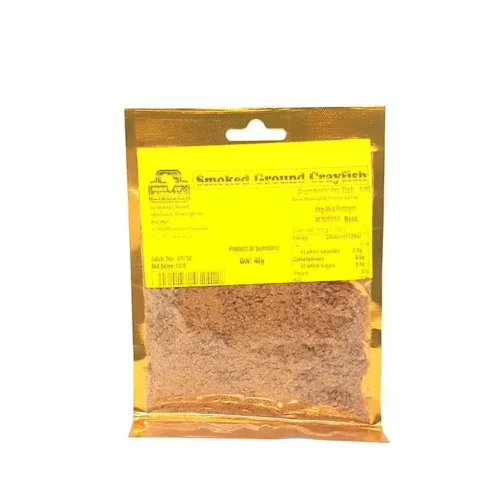
This dough is the perfect accompaniment for stews that pack a punch. For an authentic flavour combination, consider using a rich, aromatic ground crayfish, a key ingredient you can find right here at My Africa Shop.
6. Cassava Flour Thickener for Soups and Stews
Beyond creating entire dishes, cassava flour serves a fundamental role as a natural, gluten-free thickening agent. It's an excellent replacement for cornflour or wheat flour in soups, stews, and gravies, celebrated for its superior thickening power and completely neutral flavour profile. This application is a cornerstone of many authentic West African recipes and is increasingly being adopted by professional chefs in the UK seeking functional, high-performance ingredients.
Unlike cornflour, cassava flour has a more potent effect, meaning you need less to achieve the same rich consistency. Its fine texture dissolves easily into liquids, creating a smooth, glossy finish without the chalky aftertaste that can sometimes come with other starches. This makes it one of the most versatile cassava flour recipes for everyday cooking.
Why It's a Staple for Home Cooks and Caterers
Cassava flour’s efficiency makes it a valuable asset in both home kitchens and professional settings. Nigerian soup restaurants across Manchester and London use it to guarantee the authentic, velvety texture of their traditional stews. Similarly, large-scale catering operations find it reliable for producing consistent results in bulk, ensuring every serving of gravy or soup has the perfect body without separating. Even some UK Michelin-starred chefs are incorporating it into modern African dishes for its clean taste and reliable performance.
Pro Tip for Professionals: For absolute consistency across large batches, prepare a cassava slurry in a dedicated container before service begins. This allows chefs to quickly add a measured amount to various sauces and stews as needed, ensuring uniform thickness and quality without disrupting the cooking workflow.
Key Preparation Tips for a Perfect Slurry
- Create a Slurry First: Always mix cassava flour with a small amount of cold water or cool broth before adding it to a hot liquid. This prevents the starch from gelatinising too quickly and forming lumps. A good starting point is 1 tablespoon of flour for every 250ml of liquid you wish to thicken.
- Add and Stir Gradually: Pour the slurry into your simmering soup or stew slowly while stirring continuously. This ensures it incorporates evenly and you can control the thickness precisely, stopping when you reach the desired consistency.
- Cook It Through: After adding the thickener, allow the soup or stew to simmer gently for another 1-2 minutes. This brief cooking time is essential to cook out any raw flour taste and fully activate the starch's thickening properties.
This thickening method works exceptionally well for classic dishes like Nigerian Pepper Soup, giving it a satisfying body that complements the intense flavours. To create an authentic base, you can find the essential spices for a perfect pepper soup here.
7. Cassava Flour Fritters (Cassava Croquettes)
Cassava Flour Fritters, also known as Cassava Croquettes, are a delightful snack and appetizer that bridges West African and Caribbean culinary traditions. The recipe involves creating a versatile dough from cassava flour, which is then mixed with finely chopped vegetables, proteins, and bold seasonings before being deep-fried to golden, crispy perfection. These fritters serve as popular street food, a sophisticated starter, or a light, satisfying meal.
This particular cassava flour recipe is gaining significant traction across the UK. It appeals to both traditional palates familiar with its roots and modern foodies seeking new, gluten-free options. The crispy exterior gives way to a soft, flavourful interior, making it an irresistible treat that is both comforting and exciting.
Why It's a Staple for Home Cooks and Caterers
Cassava fritters are a fantastic addition to any menu, from a casual family gathering to an upscale event. In London, it's not uncommon to find street food vendors selling them fresh from market stalls, while many Nigerian restaurants now feature them on their appetizer menus. Event caterers find them particularly useful as they can be prepared in advance and fried to order, ensuring maximum freshness and crispiness. Their versatility means they can be served as elegant canapés or as part of a hearty platter.
Pro Tip for Professionals: For large-scale catering, prepare and form the fritter mixture ahead of time. You can freeze the uncooked croquettes on baking sheets before transferring them to freezer bags. Fry them directly from frozen to order, which guarantees a perfectly crisp exterior and a hot, steamy centre for every guest.
Key Preparation Tips for Perfect Fritters
- Balance the Base: Mix the cassava flour base with about 30-40% of your chosen fillings, such as finely chopped vegetables (onions, peppers) and proteins (ground crayfish, minced meat). This ensures the fritter is flavourful without falling apart.
- Use a Binder: Add one egg for every 250g of cassava flour. The egg acts as a crucial binder, holding the mixture together during frying and contributing to a richer texture. For a vegan alternative, a "flax egg" (1 tbsp ground flaxseed mixed with 3 tbsp water) works well.
- Chill Before Frying: For easier handling, refrigerate the mixed dough for at least 30 minutes before shaping. After forming the fritters, chill them again for another 15 minutes. This step helps them hold their shape and prevents them from absorbing too much oil during frying.
- Maintain Oil Temperature: Fry the fritters in batches at a steady temperature of 170-180°C for 2-3 minutes, or until they are a deep golden brown. This high heat ensures a crispy crust and a perfectly cooked interior.
These fritters are best served hot with a dipping sauce. A classic Nigerian pepper sauce or a spicy mayonnaise provides the perfect tangy and fiery complement.
8. Cassava Flour Confectionery (Cassava Sweets and Cakes)
In a sophisticated culinary application, cassava flour serves as the foundation for an array of traditional West African sweets, puddings, and modern cakes. These desserts take advantage of cassava's naturally subtle sweetness and fine, smooth texture to create delights like moist cassava cake, rich cassava balls, and sticky, honey-glazed treats. This category showcases the growing fusion of traditional African ingredients with contemporary dessert presentations, which is finding an enthusiastic audience among UK consumers keen to explore authentic African flavours.

From traditional recipes passed down by grandmothers to the innovative creations of modern pastry chefs, these cassava flour recipes are versatile. They can be found in London patisseries offering 'African fusion' dessert menus, on the social media feeds of UK food bloggers, and on the dessert tables of catered African-themed events.
Why It's a Staple for Home Cooks and Caterers
Cassava flour’s gluten-free nature and unique texture make it an excellent choice for baking and confectionery. For home cooks, it provides a direct link to cherished cultural desserts. Caterers find it a reliable ingredient for creating African-themed dessert tables that stand out, offering guests an authentic taste experience beyond the main course. For instance, speciality shops across the UK successfully sell pre-packaged cassava balls and sweets to diaspora communities, proving their commercial appeal.
Pro Tip for Professionals: When preparing cassava cakes or sweets for events, remember that their flavour deepens over time. Bake your cassava cake or prepare your cassava balls a day in advance and store them in an airtight container. This 24-hour aging process allows the spices and sweetness to meld, resulting in a richer, more complex taste.
Key Preparation Tips for Perfect Cassava Sweets
- Build a Classic Cake Base: For a simple cassava cake, combine 250g cassava flour, 200g grated coconut, 150g sugar, 100ml coconut milk, 3 eggs, and a touch of vanilla and cinnamon. Bake at 180°C for 25-30 minutes, or until a skewer comes out clean.
- Create Decadent Toppings: While the cake bakes, prepare a caramelised brown sugar topping on the stovetop. For cassava balls, mix the flour with honey, chopped nuts, and spices like nutmeg and cloves, then roll and coat in melted dark chocolate.
- Add Rich Glazes: A simple glaze made from honey, molasses, or caramel can add a beautiful finish and an extra layer of flavour. Brush it over warm cakes or use it as a dipping sauce for fried cassava treats.
If you enjoy making bite-sized African sweets, you'll find that many of the techniques used here are also applicable to other snacks. For another classic recipe, you can explore this guide to making authentic Chin Chin, a popular crunchy West African snack.
8-Recipe Cassava Flour Comparison
| Item | 🔄 Complexity | ⚡ Speed / Efficiency | Resource requirements | ⭐ Expected outcome / Quality | 📊 Ideal use cases & key advantages |
|---|---|---|---|---|---|
| Cassava Flour Fufu | Low — simple stove mixing and stirring | Very fast (5–10 min prep) | Cassava flour, water, butter, wooden spoon, pot | ⭐⭐⭐⭐ — smooth elastic texture, consistent results | Busy households, caterers, restaurants — quick authentic-feeling staple; scalable and long shelf life |
| Cassava Flour Pancakes | Moderate — batter and leavening management | Moderate — batter rest + batch cooking | Cassava flour, baking powder, eggs/milk, griddle | ⭐⭐⭐⭐ — light and fluffy if leavened properly | Breakfast menus, health-focused cafés, caterers — gluten-free alternative; versatile sweet or savory |
| Cassava Flour Bread (Pão de Queijo alt.) | Moderate–High — starch balance and handling | Moderate — quick bake (20–25 min) | Cassava flour, tapioca starch, eggs, cheese, oven | ⭐⭐⭐⭐ — chewy interior, crispy exterior when executed | Bakeries, meal-prep services, gluten-free customers — good for artisan production and customization |
| Cassava Flour Porridge (Eba variant) | Low — one-pot whisking technique | Very fast (under 10 min) | Cassava flour, water or broth, pot, whisk | ⭐⭐⭐ — creamy comfort texture; technique-sensitive | Budget households, care facilities, mass catering — minimal ingredients and equipment; easy to scale |
| Cassava Flour Dough (Akpu/Fufu Dough) | Moderate — kneading technique or mixer needed | Moderate — prep requires kneading and shaping | Cassava flour, hot water, mixer or elbow grease, covered bowls | ⭐⭐⭐⭐ — dense, chewy, authentic when made correctly | Traditional restaurants, cultural events, caterers — highly authentic base that absorbs soups well |
| Cassava Flour Thickener for Soups & Stews | Low — slurry method; timing critical | Very fast — quick thickening when added correctly | Cassava flour, cold water/broth, whisk | ⭐⭐⭐⭐ — silky, glossy finish; efficient thickening | Restaurants, professional kitchens, gluten-free production — cost-effective, fast, and neutral-flavored thickener |
| Cassava Flour Fritters (Croquettes) | Moderate — batter prep and frying control | Moderate — prep + fry batches | Cassava flour, fillings, eggs binder, frying oil | ⭐⭐⭐⭐ — crispy exterior, tender interior when fried properly | Street food vendors, caterers, restaurants — versatile appetizer; freezes well for prep |
| Cassava Flour Confectionery (Sweets & Cakes) | High — baking chemistry and moisture control | Low–Moderate — baking and resting times | Cassava flour, eggs, dairy/coconut, oven, quality flour | ⭐⭐⭐⭐ — dense moist crumb; distinctive flavor and presentation potential | Patisseries, event caterers, specialty shops — unique gluten-free desserts; requires recipe testing and proper flour quality |
Bringing Authentic African Flavours to Your Table
Our journey through the world of cassava flour recipes has demonstrated the remarkable versatility of this staple ingredient. We have explored its central role in creating the smooth, satisfying texture of traditional Cassava Flour Fufu and its comforting warmth in Eba-style porridge. These dishes form the very heart of many African culinary traditions, offering a direct connection to a rich heritage.
Moving beyond these cornerstones, we've seen how cassava flour can be adapted for a variety of meals and occasions. Imagine starting your day with fluffy Cassava Flour Pancakes or serving a gluten-free Cassava Flour Bread that rivals classic cheese breads in its delightful chewiness. These recipes show that tradition and modern dietary needs can coexist beautifully, making cassava flour an indispensable asset for any kitchen, professional or domestic. The key lies in understanding its unique properties, particularly its fine texture and binding capabilities, which we've detailed in each recipe.
From Staples to Specialities: Key Takeaways for Chefs and Home Cooks
For food professionals, the implications are significant. The ability to use cassava flour not only for core dishes like Fufu but also as a reliable, gluten-free thickener for soups and stews, or as the base for crispy fritters and croquettes, opens up new avenues for menu development. Mastering these applications allows caterers and restaurateurs in the UK to offer truly authentic African flavours while also catering to a growing demand for gluten-free options.
The most important takeaways from this collection of cassava flour recipes are:
- Consistency is Achievable: By following the precise liquid-to-flour ratios and temperature controls outlined, you can achieve perfect results every time, from smooth Fufu to crackle-topped bread. This is crucial for commercial kitchens where consistency is paramount.
- Ingredient Quality Matters: The final taste and texture of your dishes are directly influenced by the quality of your cassava flour. A high-quality, finely milled flour, free from sour notes, is the foundation for success.
- Adaptability is its Strength: Cassava flour is not a one-trick pony. Its neutral flavour and excellent binding properties make it suitable for everything from savoury doughs and batters to delicate cakes and confectionery. This adaptability encourages culinary experimentation.
Your Next Steps in Mastering Cassava Flour
To truly bring these dishes to life, the path forward is clear. Begin by selecting one or two recipes that resonate with you or your customers. Perhaps start with the Cassava Flour Fufu to perfect the fundamental technique, or maybe the Cassava Flour Fritters for a crowd-pleasing appetiser.
As you cook, pay close attention to the troubleshooting tips provided. Does your Fufu have lumps? Revisit the whisking technique and water temperature. Is your bread too dense? Check your oven calibration and the freshness of your baking powder. Each attempt is a learning opportunity, building your confidence and expertise. By embracing this hands-on approach, you will not only master the recipes but also develop an intuitive feel for working with this wonderful ingredient. Embracing these cassava flour recipes is more than just cooking; it’s about preserving culture, delighting palates, and connecting people through the shared joy of authentic African food.
Ready to start cooking? Stock your kitchen with the highest quality ingredients from My Africa Shop. We provide premium cassava flour, authentic spices, and all the pantry staples you need to create these delicious cassava flour recipes, with convenient bulk options for your business.